Patrick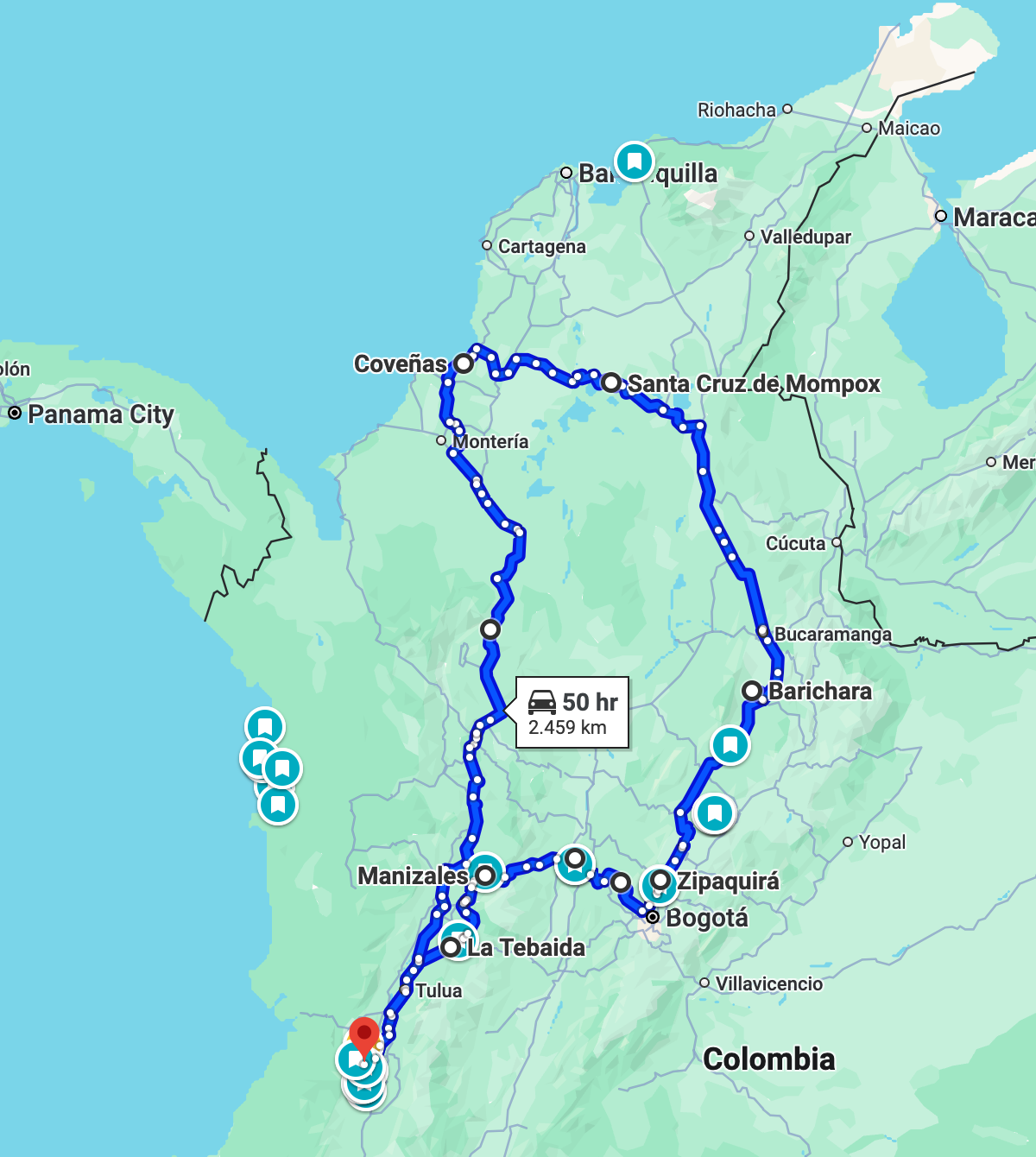
Last summer, with the kiddos on break (which, let’s be honest, makes getting any work done a near-impossible feat) and no dog-sitter for our beloved “Chandoso,” my wife and I decided to hit the road. Our goal? Explore some of Colombia’s historic pueblos that had been sitting on our bucket list forever.
We originally thought we’d make it as far as Villa de Leyva… but, well, plans have a funny way of evolving on the road. Before we knew it, we were cruising all the way up to the Caribbean coast. We didn’t plan much further than a couple of days ahead—no hotels booked, no strict itinerary—just a simple desire to wander, explore, and see where the road would take us.
So here’s the story of our month-long, 3,000 km family road trip across Colombia. That’s 60 hours of driving at an average speed of 50 km/h, filled with detours, surprises, and moments that made it all totally worth it. Hopefully, it inspires others to do the same. The world isn’t always as scary as it seems, and some of the best adventures happen when you let serendipity take the wheel.
Cali to La Tebaida (Coffee Region)
Early July, we packed up the car and pointed it toward La Tebaida in the coffee region—a place I’ve heard is the #2 tourist destination for locals in the entire country. It has been a weekend destination favorite of ours for years. It’s absolutely stunning, with a perfect climate, friendly people, and endless things to see and do.
The coffee region is a bit loosely defined, stretching all the way from El Quindio to Medellín, but the heart—what most people call the Eje Cafetero—sits between Manizales, Pereira, and Armenia, surrounded by countless charming villages. The roads are great, hotels and restaurants are top-notch, and there are plenty of family-friendly attractions.
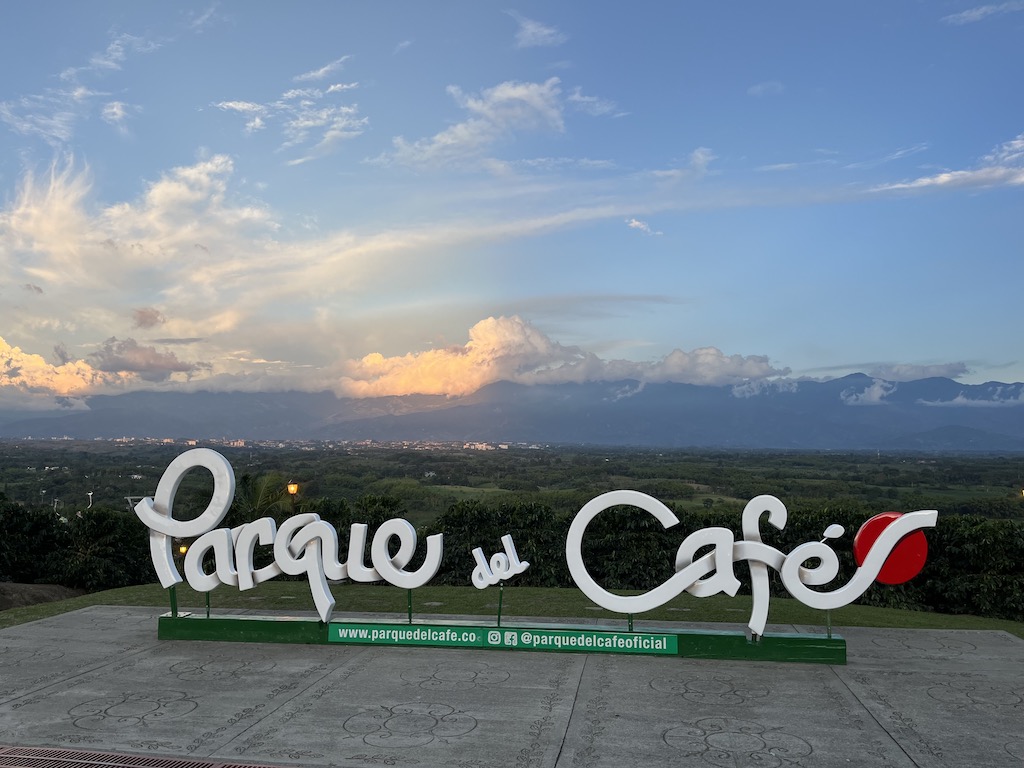
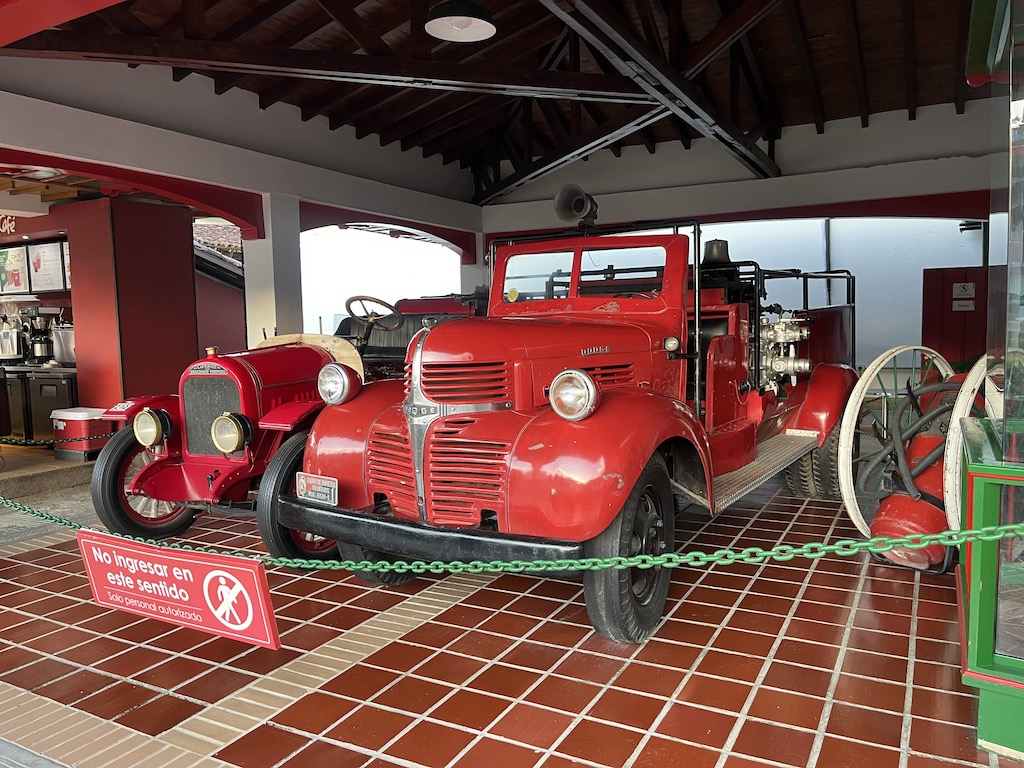
We stayed in a simple, tourist-friendly condo in La Tebaida with a pool and playgrounds for the kids—just what a traveling family needs. The town square was within walking distance, and both Panaca and Parque del Café (the amusement park) were just a short drive away. Both are well worth a visit if you have kids—or if you just want to embrace your inner child.
While we were there, Colombia was playing an important fútbol final (I can’t remember which one—sorry!) and we joined a friend in downtown Armenia to watch the game. The energy was unbelievable—Latinos take their fútbol seriously, and the streets were pure chaos in the best way. Absolutely wild, and such a fun experience to witness firsthand.
When I travel, I’m all about getting out of the big city and soaking in nature and small-town vibes. Some must-visit villages around here include Salento, Pueblo Tapao, and Filandia. For those willing to venture a bit further off the beaten path, Genoa, Buenavista (my personal favorite), Montenegro, Pijao, and the hot springs around Santa Rosa de Cabal are gems you won’t regret exploring.
Note, if planning to visit the hot springs, Termales San Vicente are a bit further out but well worth the drive. Get a cabin with a chimney and private tub you can fill with steaming hot water for the night.
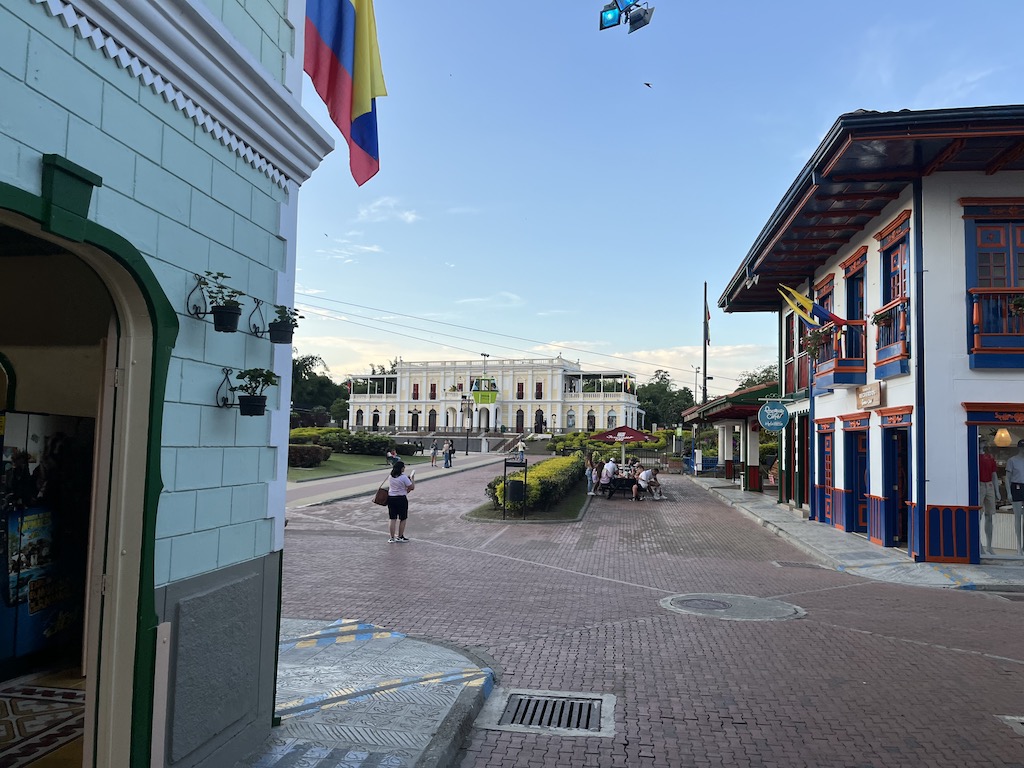
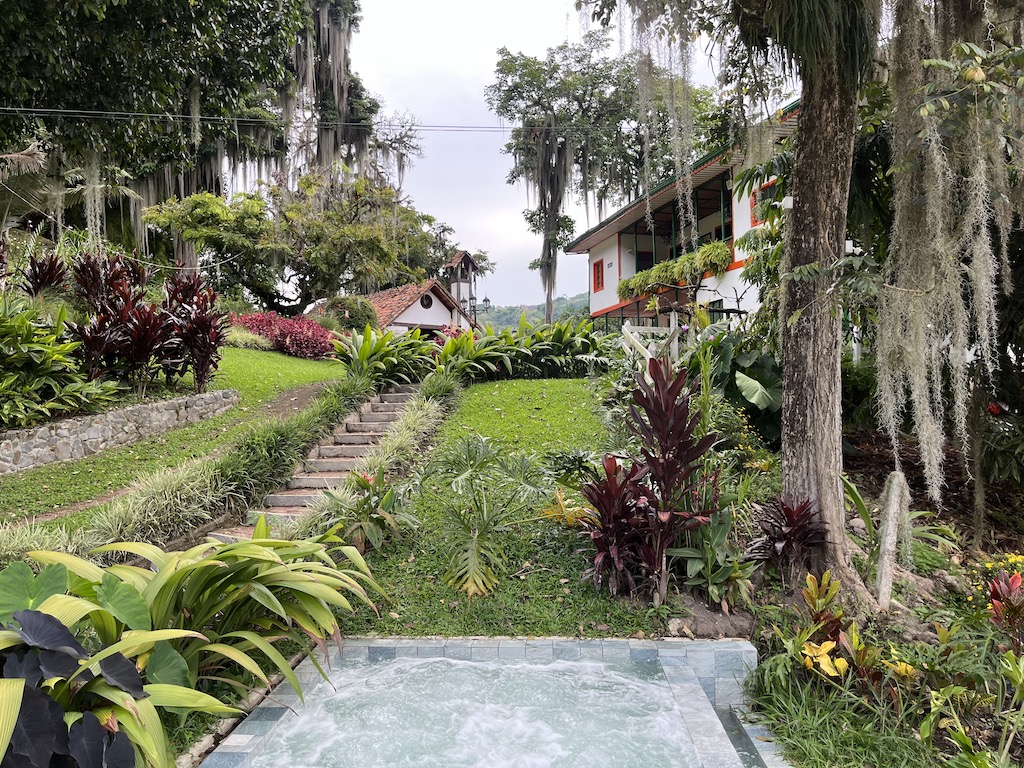
Fogón de Palo near Manizales
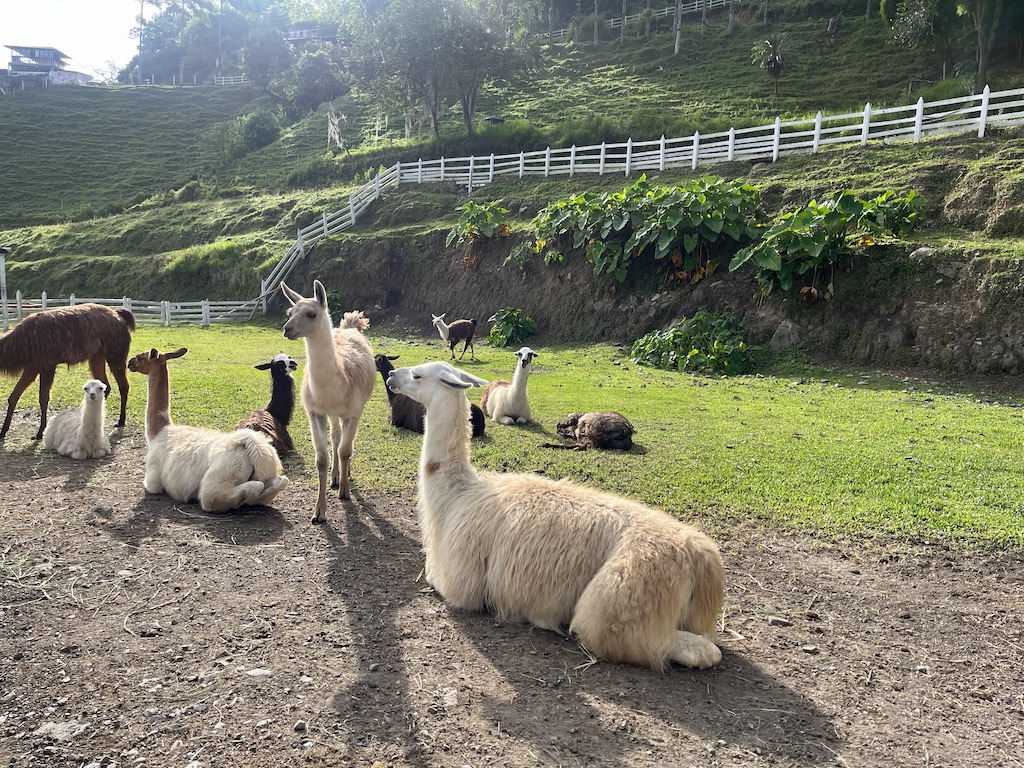
After a few days of exploring around Armenia, we continued our journey north toward Manizales and stumbled upon a rural finca-turned-restaurant-and-hotel called Fogón de Palo, on the road to Neira. It’s the perfect pitstop—or even an overnight stay. The food is incredible—think gourmet country cooking—and the cabins give you full access to the property’s animals, scenic trails, coffee and panela production, and the neighboring boutique hotel (also owned by the same family) which has an outdoor pool and jacuzzi—absolute heaven on a chilly night.
The cabin we stayed in was spacious, with a super comfortable king-size bed that made us almost not want to leave. The next morning, a young agronomist knocked on our door whisked our daughter off to milk the cows and collect eggs for breakfast. The look on her face—equal parts terror and excitement—was priceless. Us city slickers tried our best not to embarrass ourselves while watching, and honestly, it was one of the highlights of the trip.
We arrived around lunchtime and only spent one night, which was perfect. Enough time to enjoy the magic of the finca, but not so long that the kids could stage a mutiny. By the next morning, we were back on the road, heading toward our first historic stop: the city of Honda, nestled along the Magdalena River.
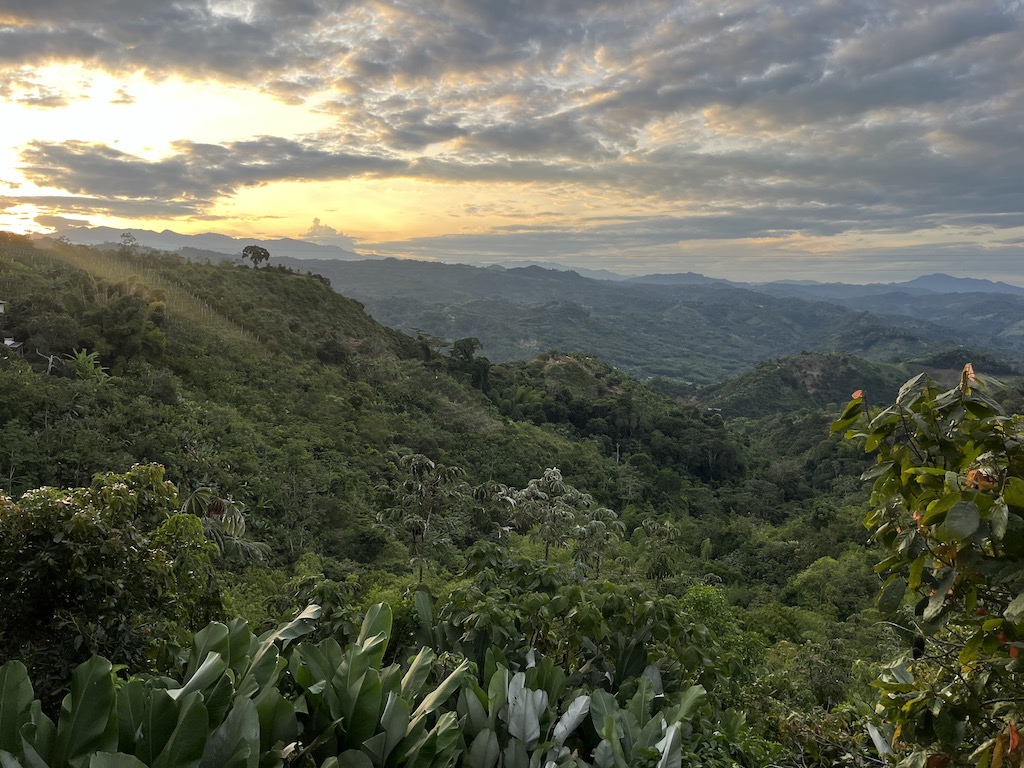
Exploring Honda and the Magdalena River Museum
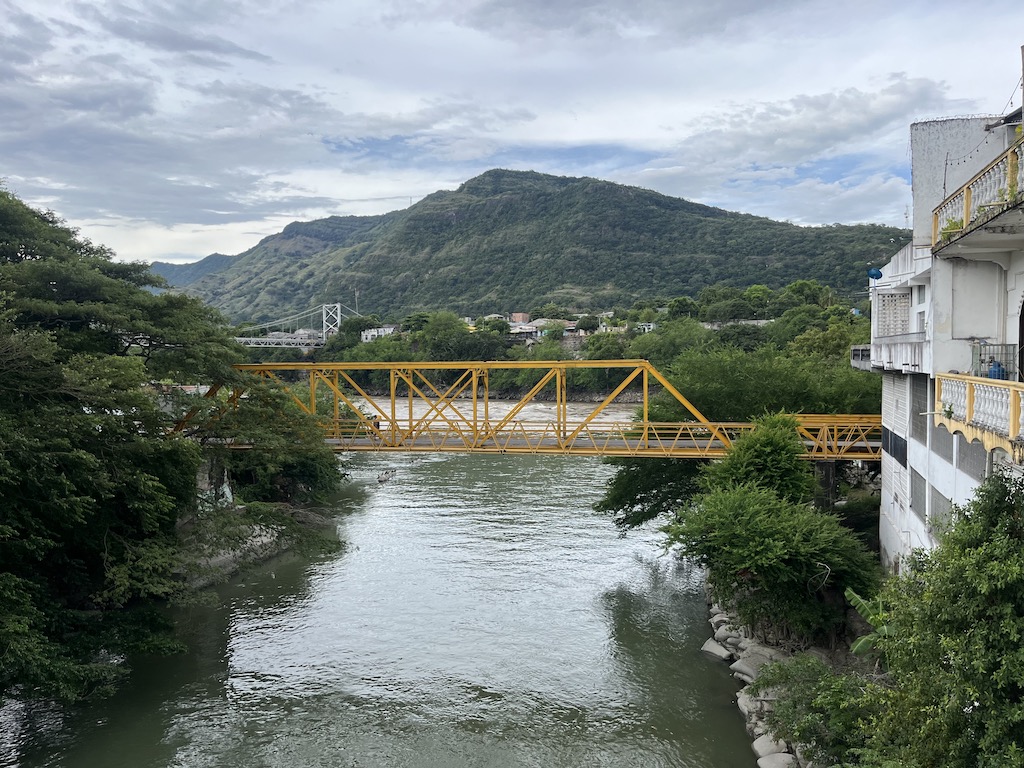
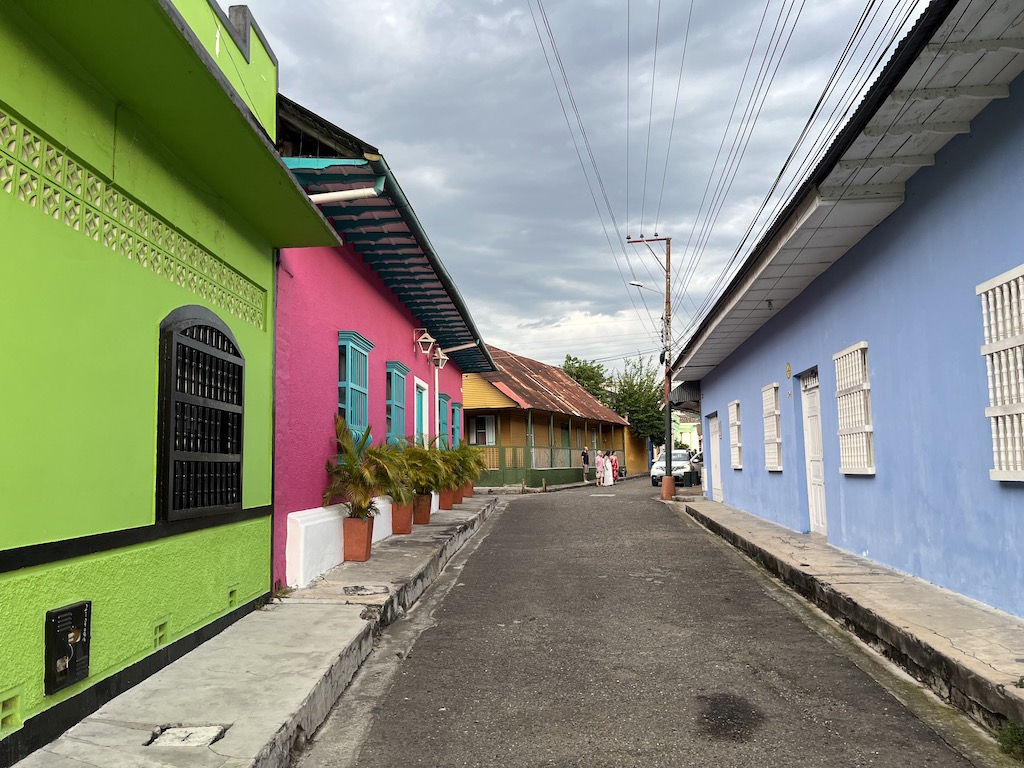
Our first historic stop was the charming city of Honda, nestled along the Magdalena River. Known as the “City of Bridges,” Honda played a crucial role in Colombia’s history as a major river port connecting the interior of the country to the Caribbean coast. Walking through its streets, you can feel the echoes of its colonial past—the old bridges, colorful houses, and cobblestone streets tell stories of a time when the river was the lifeblood of trade and travel.
We started our visit at the Magdalena River Museum, which was surprisingly captivating—even for our girls, aged 9 and 11. The exhibits do a great job of bringing history to life, from the river’s role in Colombia’s development to the fascinating wildlife and cultural stories connected to it.
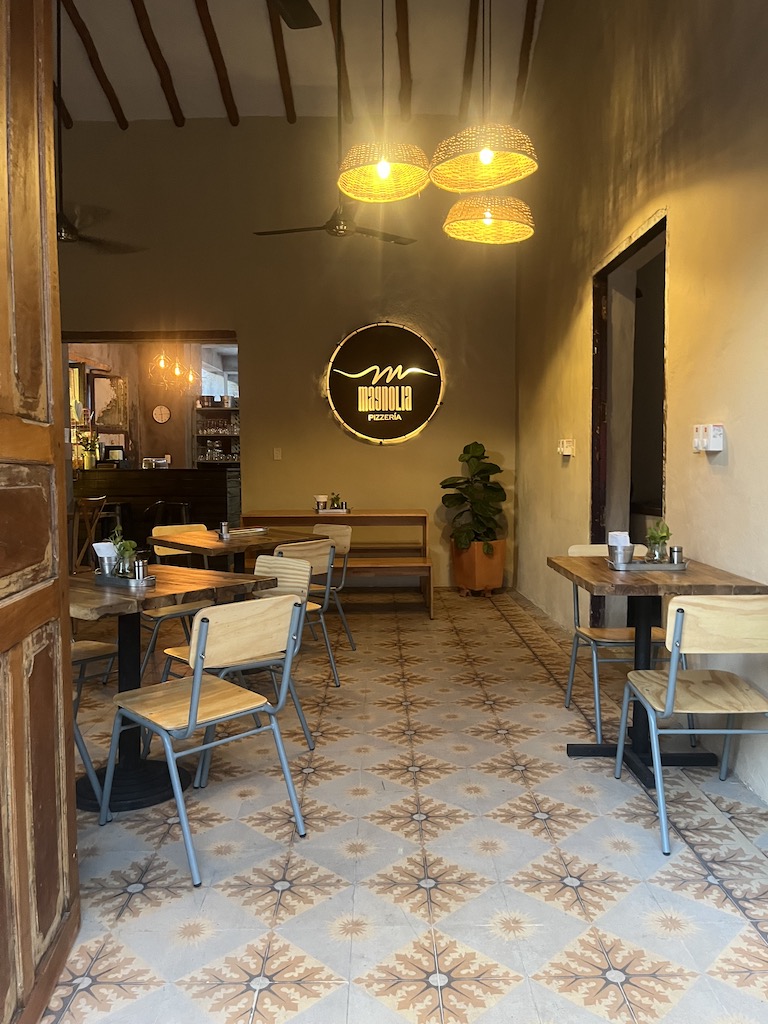
Of course, a day trip isn’t complete without some great food. We found the best pizza in town at Magnolia, and I would absolutely go back in a heartbeat. After lunch, we wandered the streets of old town, soaking up the colorful colonial architecture, little plazas, and the relaxed pace that makes Honda so special.
Although we didn’t spend the night, if we had, Hotel Boutique Posada de las Trampas would have been my pick. It looks incredible—a perfect blend of historic charm and modern comfort. Definitely keeping that in mind for next time.
La Vega to Zipaquirá
After Honda, we started our climb toward Zipaquirá and its famous underground Salt Cathedral. We made a pitstop in La Vega for the night, arriving a bit late. It’s a popular weekend getaway for locals looking to soak up the sun, and even in the evening, you could feel the town buzzing with energy, loud music and plenty of alcohol on the town square.
The next day, we finally reached Zipaquirá, which sits at about 2,650 meters (8,694 feet) above sea level. The altitude means it gets surprisingly chilly in the late afternoon, especially for us Caleños who are used to the near-perfect warmth of the Valle del Cauca. So make sure you bring a light jacket if you plan to explore the Cordillera Oriental.
Speaking of the cathedral—wow. Zipaquirá is unreal. The Salt Cathedral isn’t just a tourist attraction; it’s a world-class destination that truly deserves more attention. Walking through its tunnels carved into salt, with stunning cathedral chambers and dramatic lighting, it’s impossible not to be impressed. Even our girls were wide-eyed with amazement.
After exploring the cathedral, we had lunch at Quira, which might just be one of the most beautiful restaurants we’ve seen in Colombia. The colonial house has been meticulously restored—airy, light-filled, with design that perfectly complement the exquisite food. Honestly, it felt like a little slice of heaven and made the whole visit even more memorable.
Villa de Leyva
After a late afternoon drive of about three hours, we arrived in Villa de Leyva and checked into a cute Airbnb hosted by the sweetest lady. The location was perfect—just a short stroll from the historic city center, which made wandering the cobblestone streets easy and relaxing.
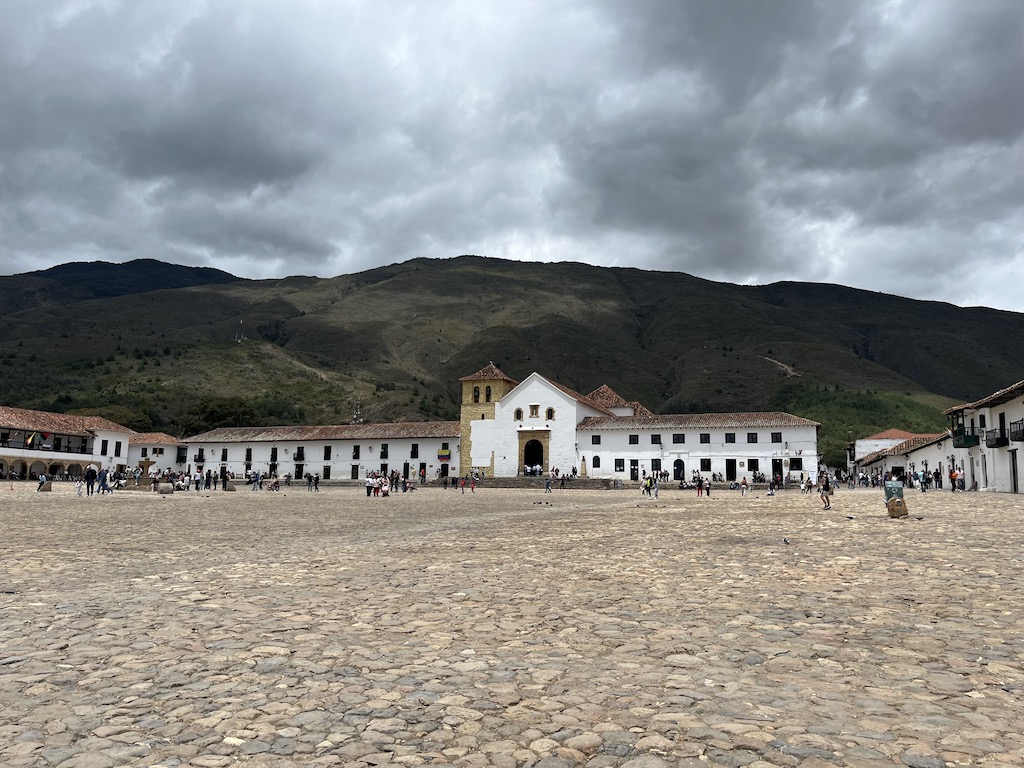
Villa de Leyva is one of Colombia’s most iconic colonial towns, famous for its pristine cobblestone plazas, whitewashed buildings, and rich history. It’s a huge draw for tourists and locals alike—many Bogotanos even have vacation houses here, attracted by the combination of breathtaking architecture, vibrant town life, and surrounding natural beauty.
On our way, we passed the Puente de Boyacá, one of the most important landmarks in Colombian history. This is where Simón Bolívar secured a crucial victory against the Spanish Empire, a crucial step in Colombia’s quest for independence. Unfortunately, it was already dark by the time we drove past, so we couldn’t stop—but just seeing it from the road gave me chills as a history geek.
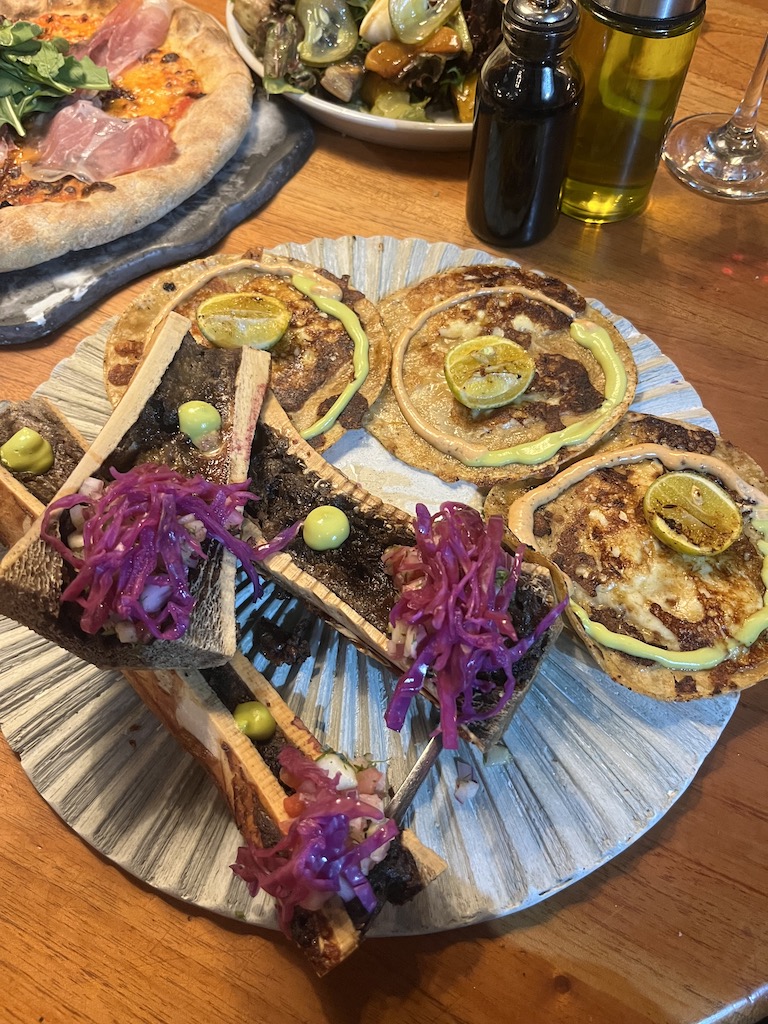
We spent two wonderful days exploring Villa de Leyva itself. Every corner offered something to admire: charming shops, fantastic restaurants, and beautiful architecture. La Maria Bistro quickly became our favorite dining spot—the perfect mix of atmosphere and incredible food.
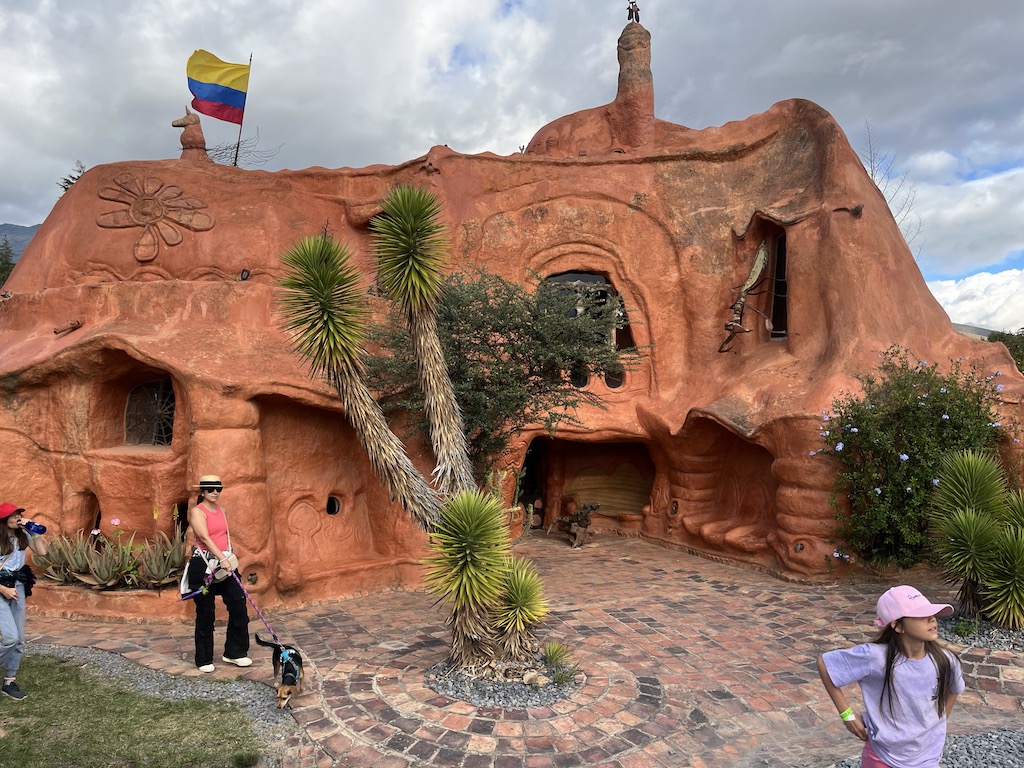
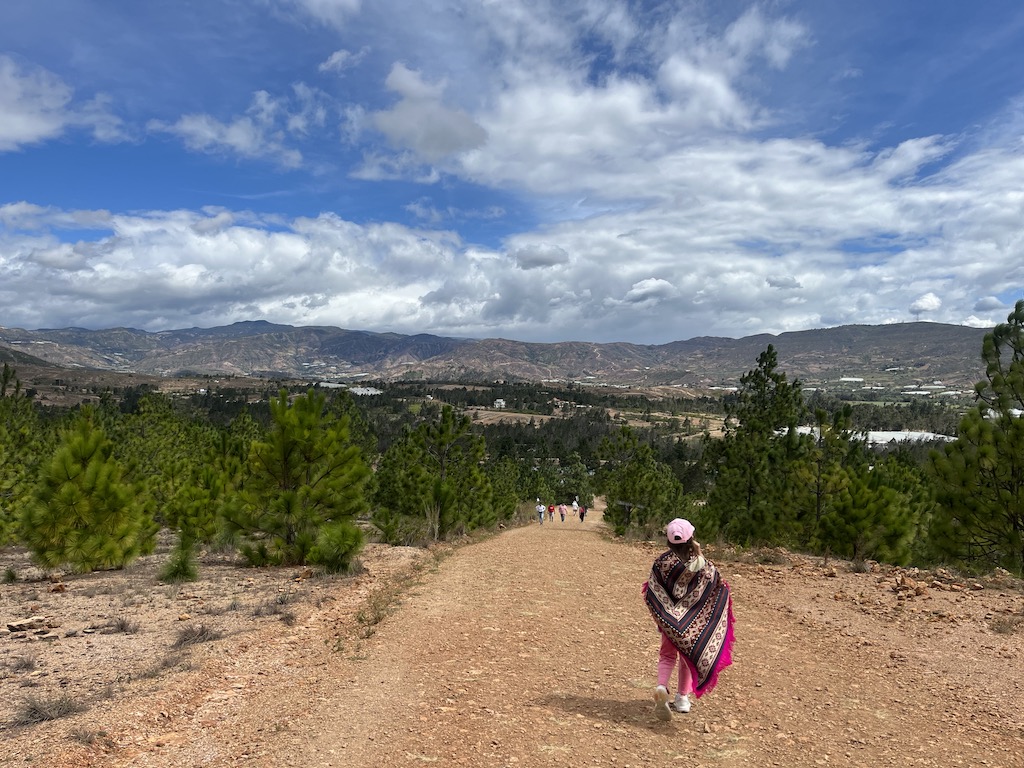
The nearby Pozos Azules (blue holes) offered a refreshing hike with the dog and a chance for the girls to burn off some energy. The Fossil Museum provided fascinating history lessons, and as a construction enthusiast, I couldn’t skip the Terracotta House, a whimsical architectural gem that had me snapping photos nonstop.
Two days felt just right for us—plenty of time to soak in the town’s charm, enjoy its culinary gems, and explore the surrounding nature before continuing our journey north. That said, you could easily spend more time here. There are plenty of activities for families and adventure lovers alike, from ATV trails to scenic hikes, and the town is dotted with exclusive boutique hotels that make lingering in this colonial gem even more tempting.
Guadalupe & Las Gachas
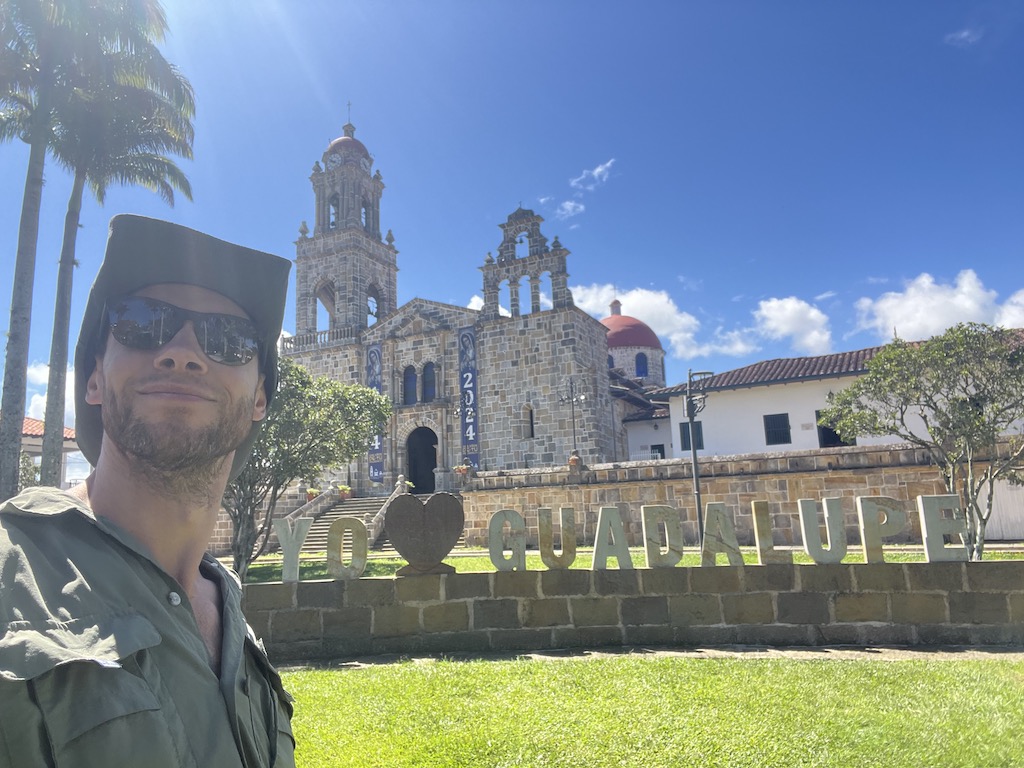
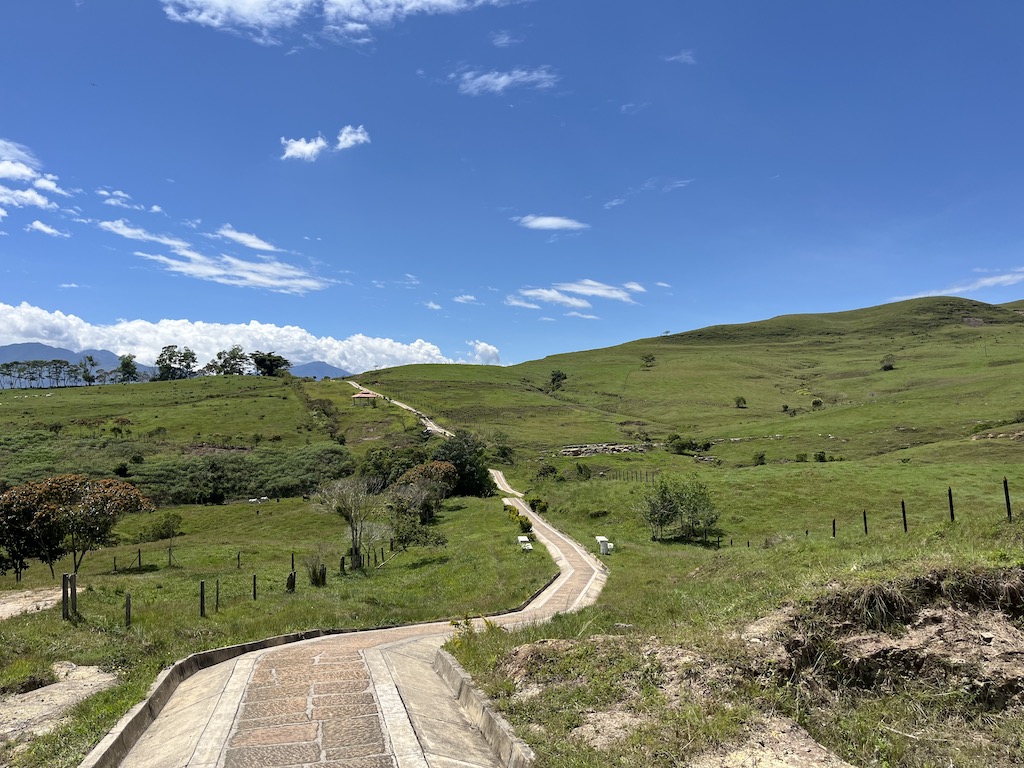
After leaving Villa de Leyva, we drove about 3.5 hours north through the breathtaking landscapes of Boyacá and Santander to reach Guadalupe and the nearby natural pools known as Las Gachas. The scenery along the way was incredible—rolling hills, winding rivers, and the kind of views that make you want to pull over every five minutes for a photo.
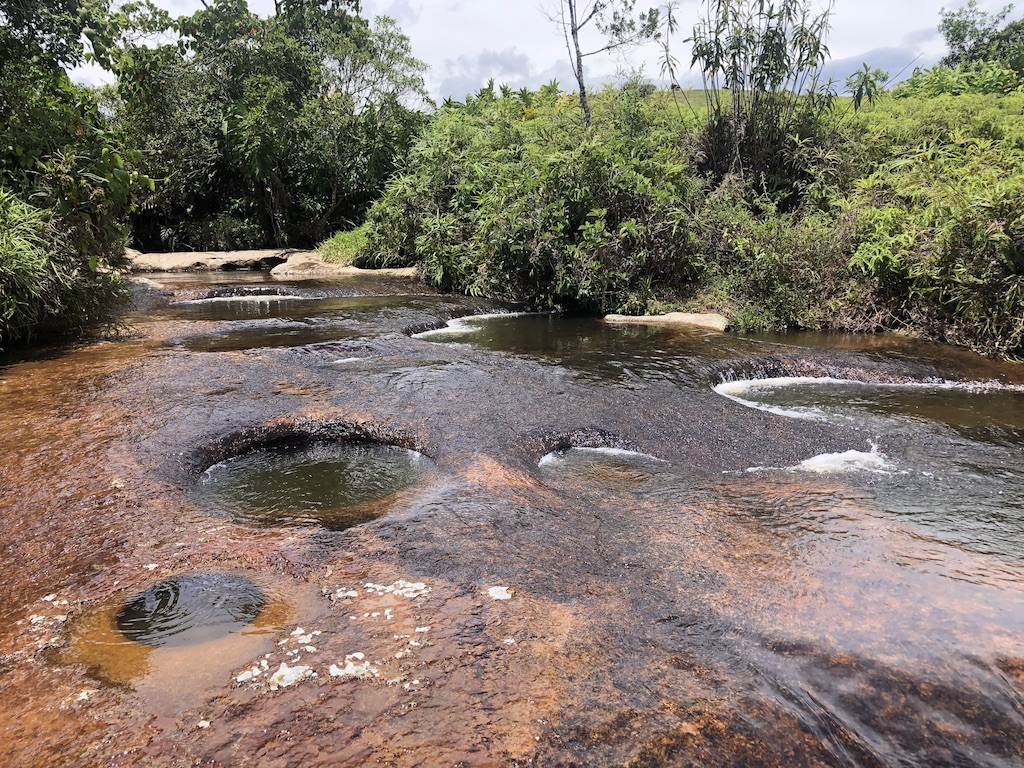
We stayed at Hotel Campestre La Herradura, run by a lovely horse-loving family who made us feel right at home. From there, we explored Guadalupe on foot, soaking in the small-town charm before heading out on the hike from the outskirts of town to Las Gachas. These are natural sinkholes in a shallow river that form tiny, refreshing pools—perfect for kids to splash around in and explore. Entrance is free, but it’s worth brining or buying a pair of anti-slip socks to avoid accidents on the slippery surfaces in the river.
Even on a weekday, there were almost no people, which made the experience feel like we had our own private playground. Our girls spent hours hopping from pool to pool, discovering hidden nooks, and even finding an underground passageway if you knew where to look—a little secret that made the adventure extra special.
For those looking to explore even more, there are other nearby waterholes worth checking out, like Balneario El Salitre and Balneario La Gloria, both offering deeper pools for swimming and a slightly different adventure.
In my opinion, this is a highly underestimated destination. The nature here is stunning, the water refreshing, and the sense of adventure is real. Just don’t forget a hat and sunscreen and plenty of water, because the sun is feisty, even in the shade of the canyon walls!
One night was just perfect for us before continuing north toward Barichara.
Barichara – Colombia’s Fairytale Pueblo
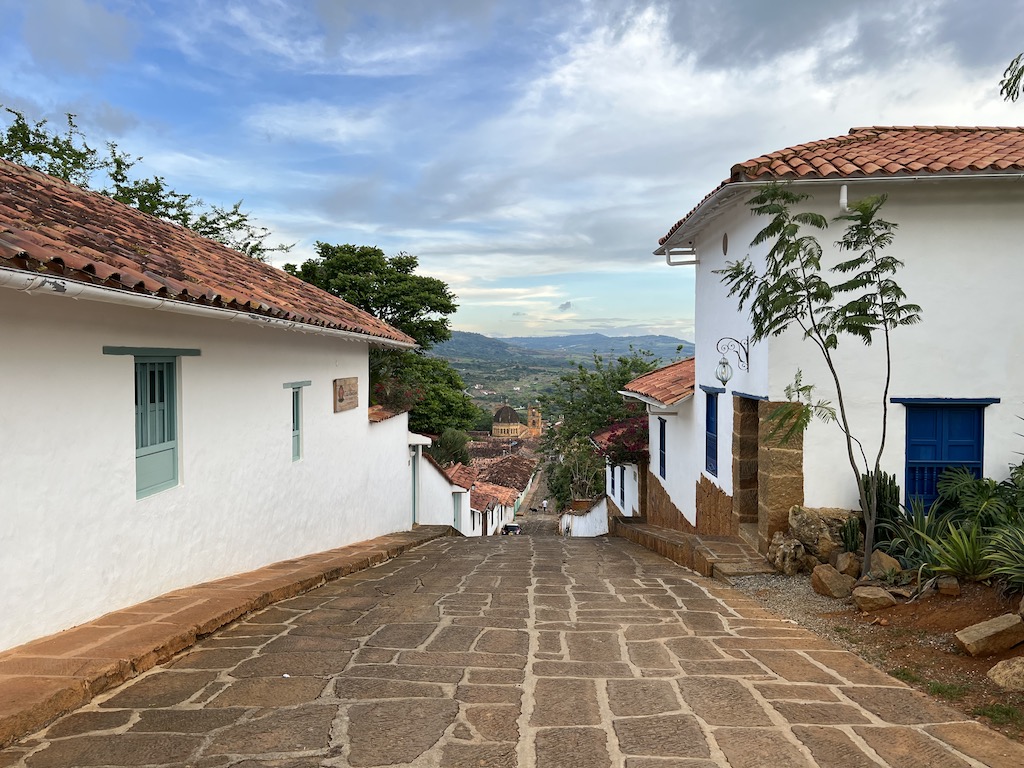
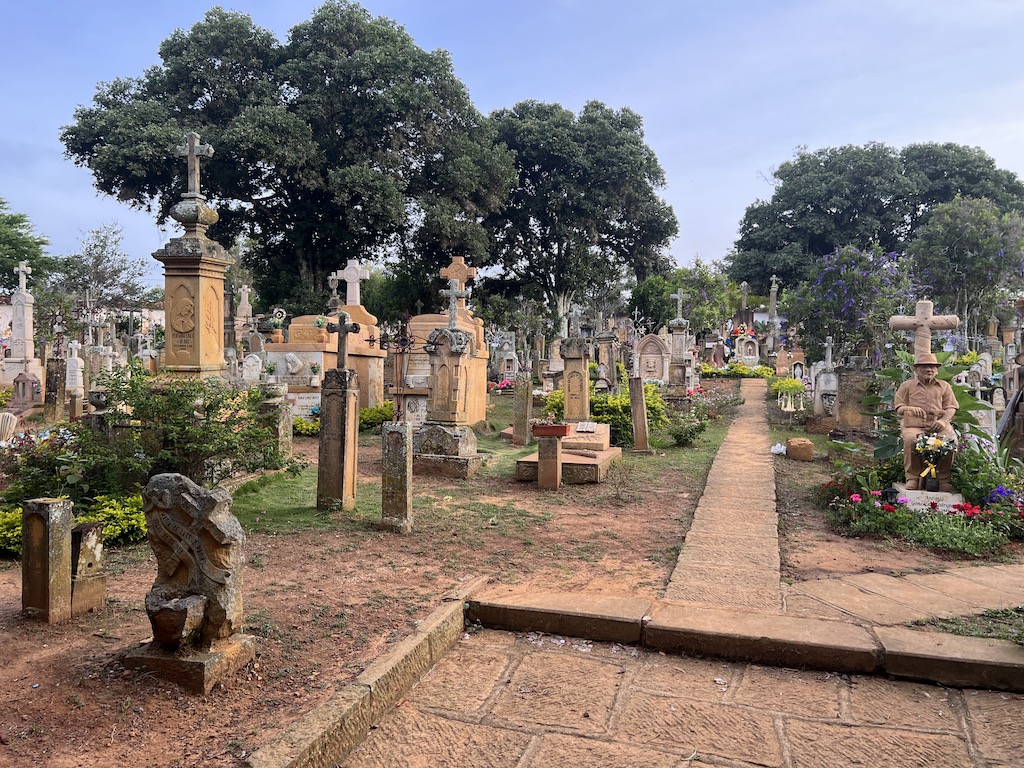
Next, we continued our journey north to Barichara, often said to be the inspiration for Disney’s Encanto and widely regarded as one of the most picturesque pueblos in all of Colombia. Its cobblestone streets, whitewashed buildings, and stunning views of the surrounding Suárez Cañón make it feel like stepping into a storybook.
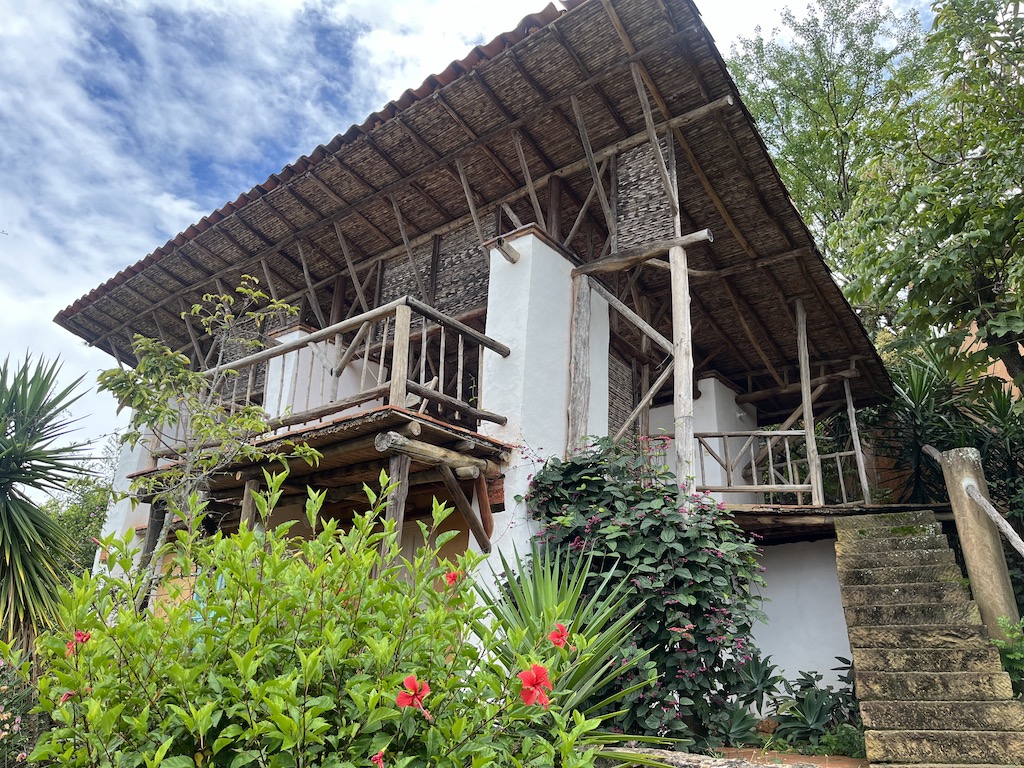
We stayed for two nights at the rustic but cozy Hotel Spa El Cogollo By MH, conveniently within walking distance of the town square. Barichara is wonderfully easy to explore on foot, which made wandering the charming streets and soaking in the atmosphere incredibly relaxing.
Highlights of our visit included:
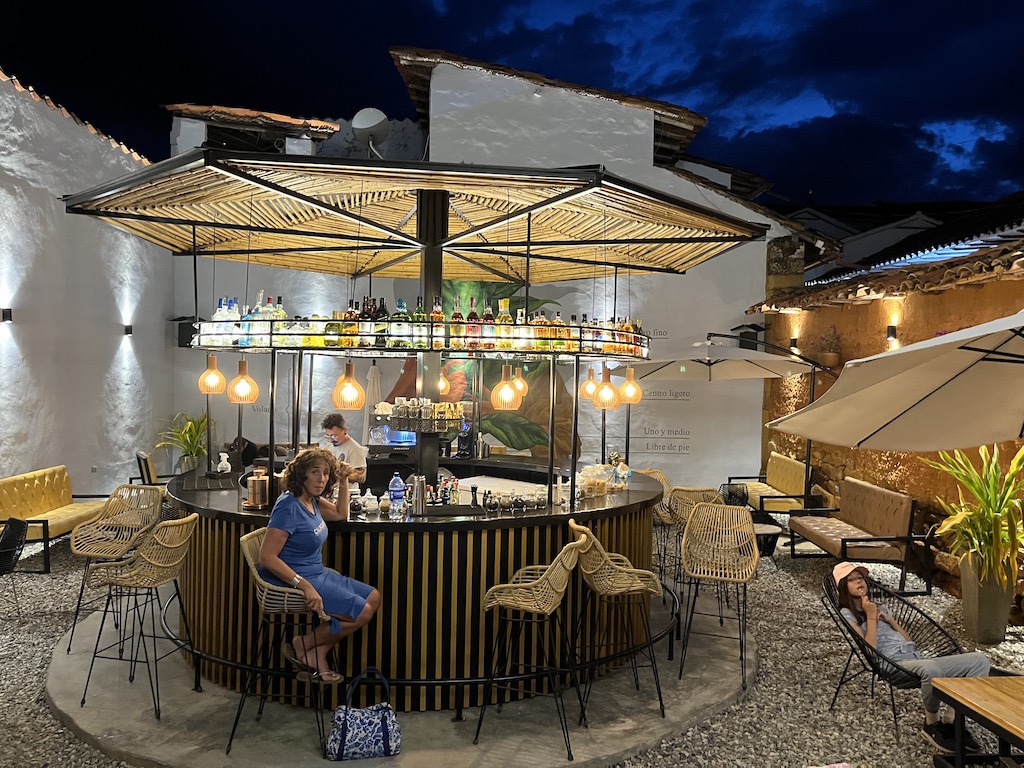
- Bribón Fábrica Nacional de Tabacos and cocktail bar – perfect for a elaborate drink or to admire the artisanal cigars – It’s all outdoors and smoking is allowed.
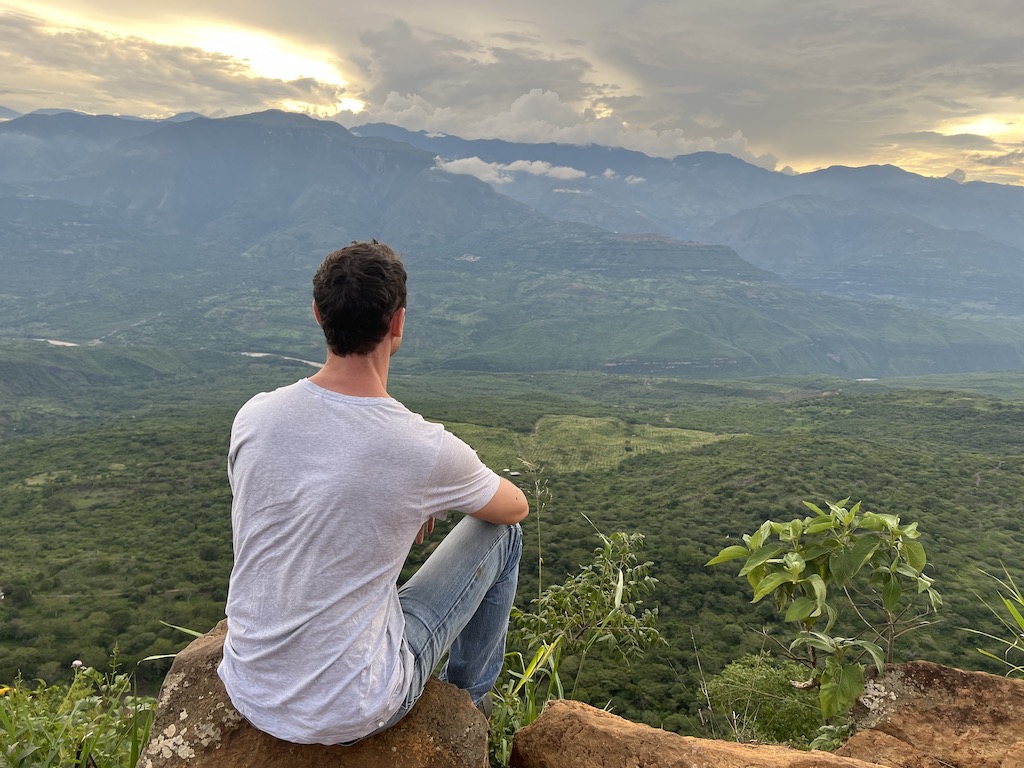
- Sunset views at Salto del Mico, on the outskirts of town – one of those moments that makes you pause and just enjoy the beauty of the canyon.
- BarroVivo clay workshop – fun for the kids and adults alike, and a chance to take home a little handcrafted souvenir.
If our kids were a bit older, I would have loved to do the 2-hour hike along the old trail El Camino Real from Barichara to Guane, which looks like a perfect way to combine history, nature, and adventure.
Other than that, Barichara is slow-paced and place to rest, read, talk, and enjoy the simple things in life.
We skipped San Gil, often called the adventure capital of Colombia. While it might be worth a visit for thrill-seekers, we found it a bit lackluster in terms of charm compared to Barichara, where history, architecture, and breathtaking canyon views steal the show.
Chicamocha Canyon to Aguachica
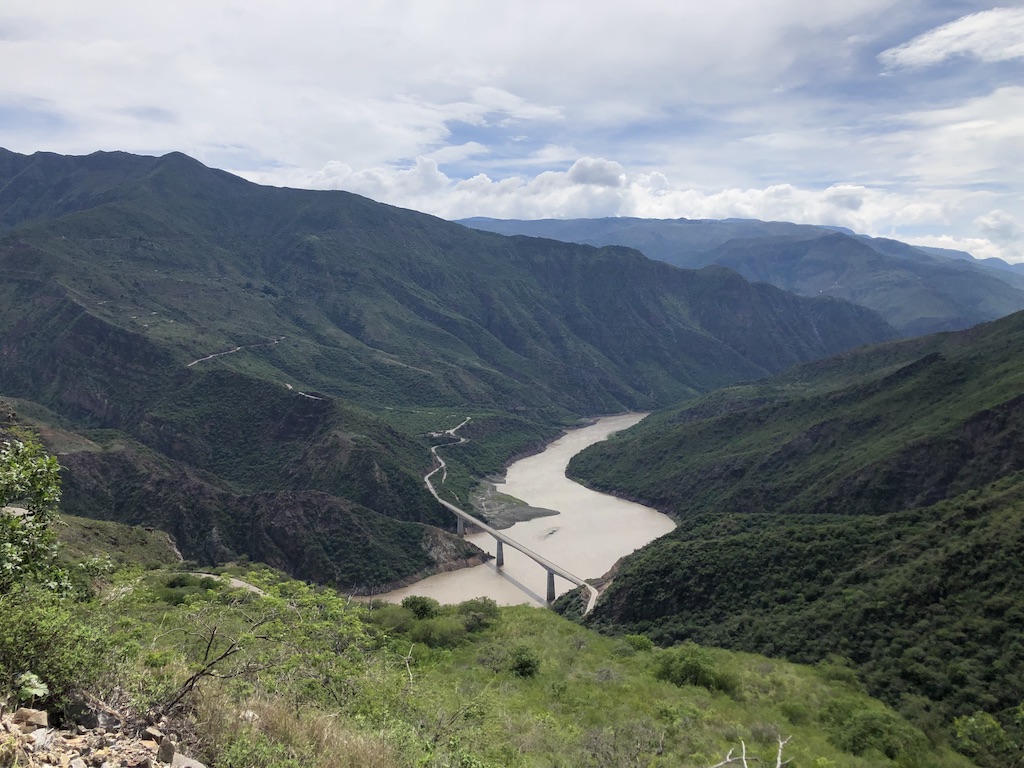
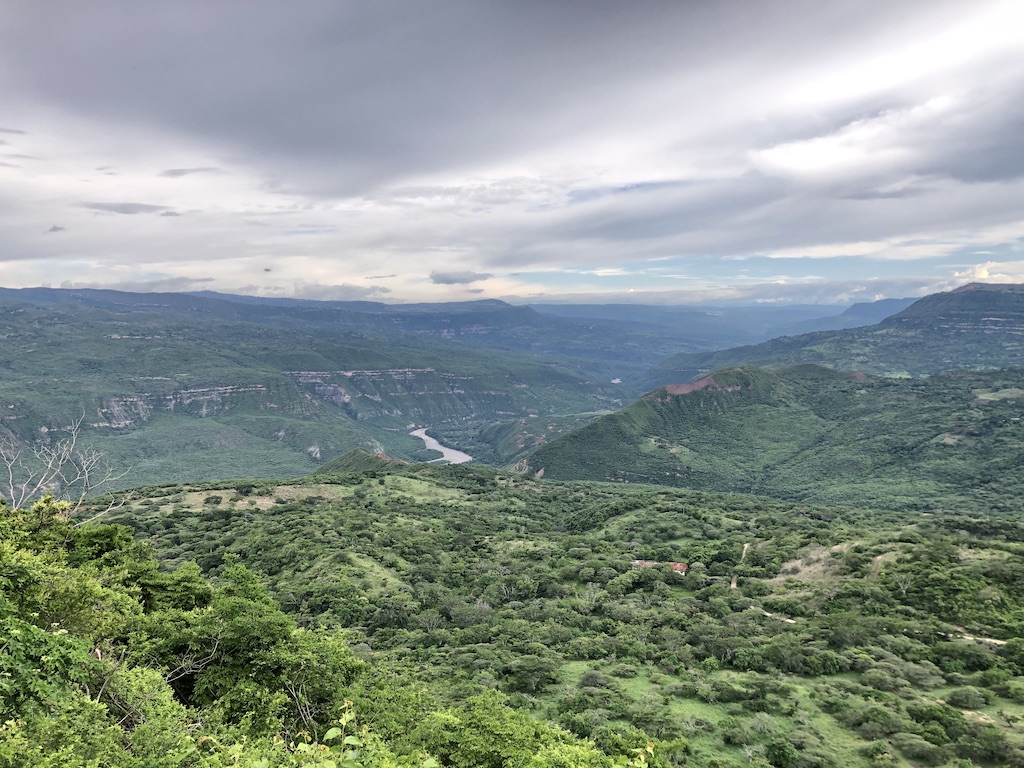
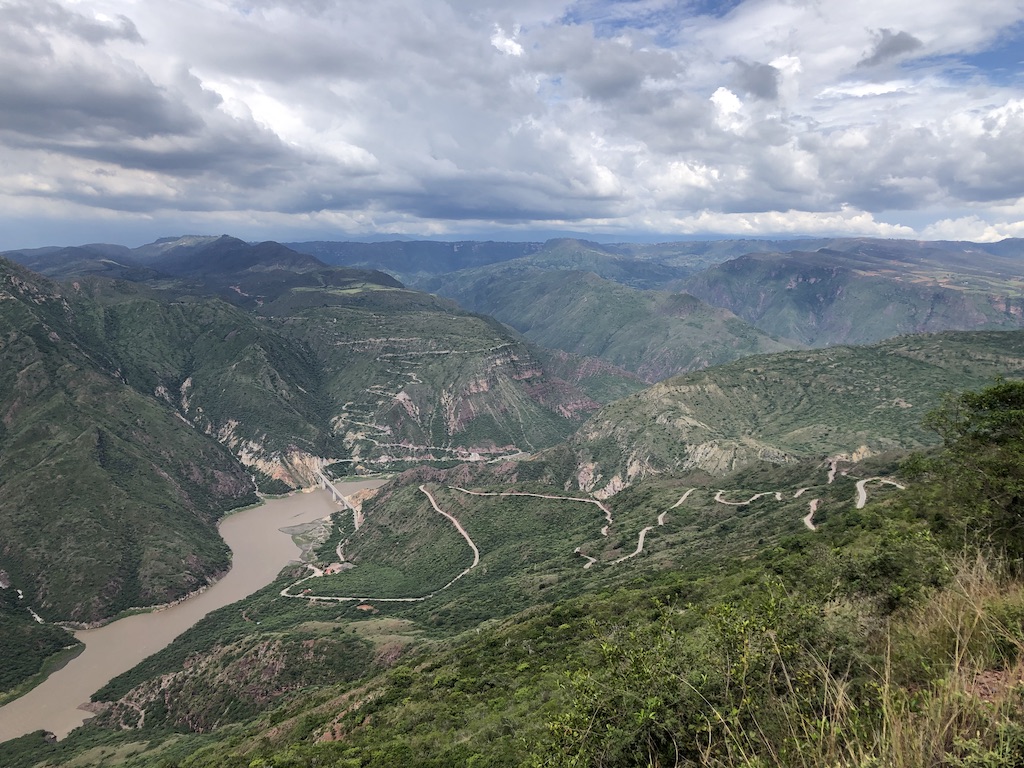
After our relaxing stay in Barichara, we hit the road heading north through the spectacular Cañón de Chicamocha. There’s a popular theme and water park built into the canyon cliffs right off the main road. We had a lot of ground to cover and simply drove through, letting the views of towering cliffs, paragliders and winding river valleys do the talking. It’s one of those stretches of road where you can’t help but slow down and admire the sheer scale of nature around you.
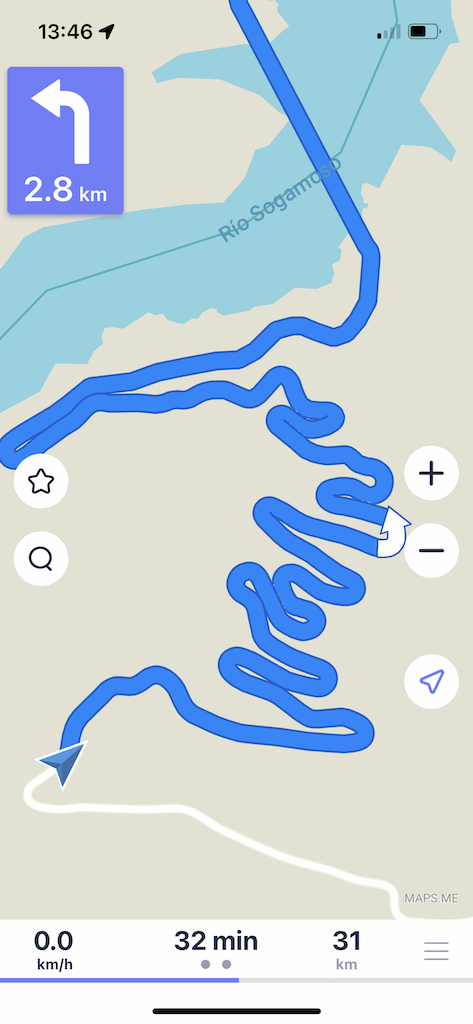
We stopped in Bucaramanga for lunch, then continued our journey toward Aguachica on the Autopista del Sol, arriving by nightfall. Initially, I had some reservations about driving on the big highway at night, but it was surprisingly busy and well-maintained, so it wasn’t a problem at all. That said, once you leave Bucaramanga, there’s really not much in terms of lodging until Aguachica—mostly just an absurd number of gas stations, sometimes every 200 meters, Terpel everywhere.
Aguachica itself is pretty uneventful—a true truckstop town. Talking to locals, we got the sense it’s a place known for drug trafficking and contraband, given its proximity to the Catatumbo region, where there’s ongoing conflict involving the army, ELN, and remnants of the FARC.
We spent just one night at the nicest roadside hotel we could find, took a deep breath, and the next morning continued our journey north toward the historic town of Mompox, ready for the next chapter of our adventure.
Santa Cruz de Mompox – Stepping Back in Time
From Aguachica, we continued our drive northwest, passing along riverbanks, swamplands, cattle ranches, and scattered farms. Many stretches felt extremely poor and isolated, giving you a real sense of how remote some parts of Colombia still are. It’s the kind of drive that makes you appreciate the sheer diversity of landscapes and lifestyles in the country.
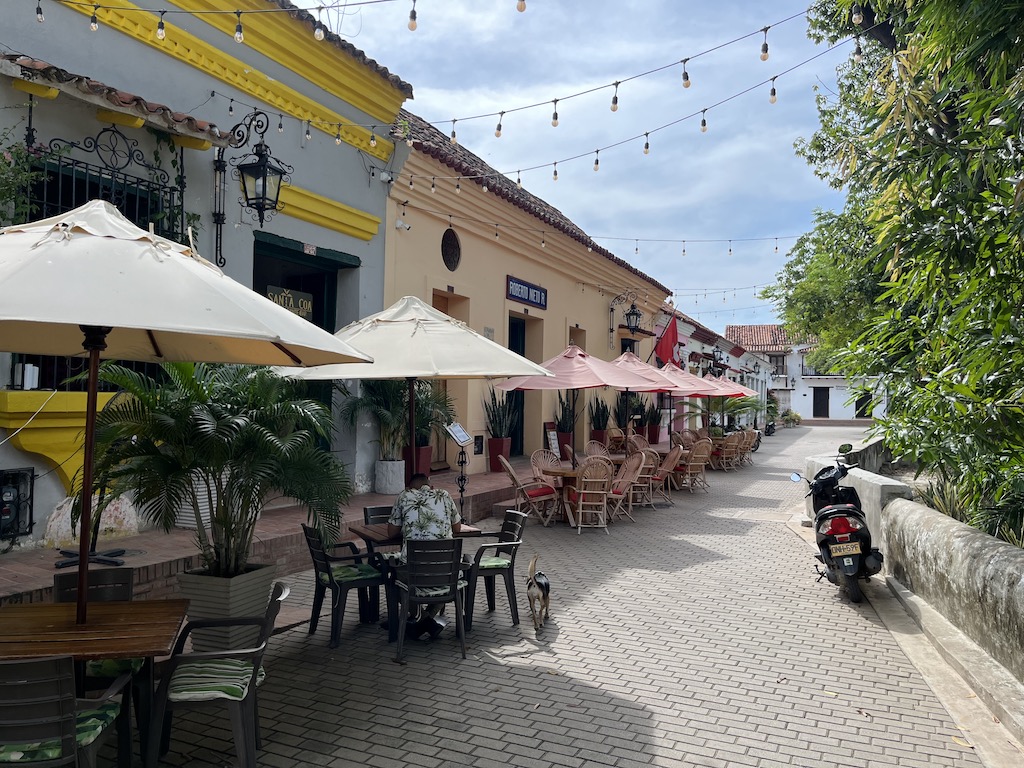
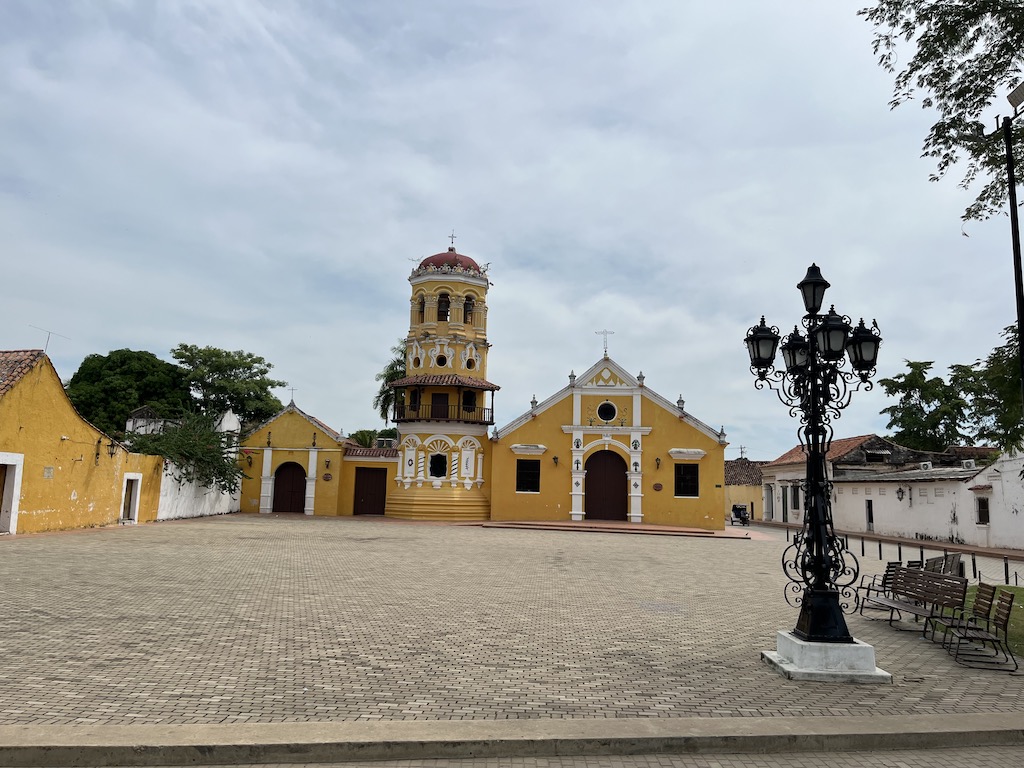
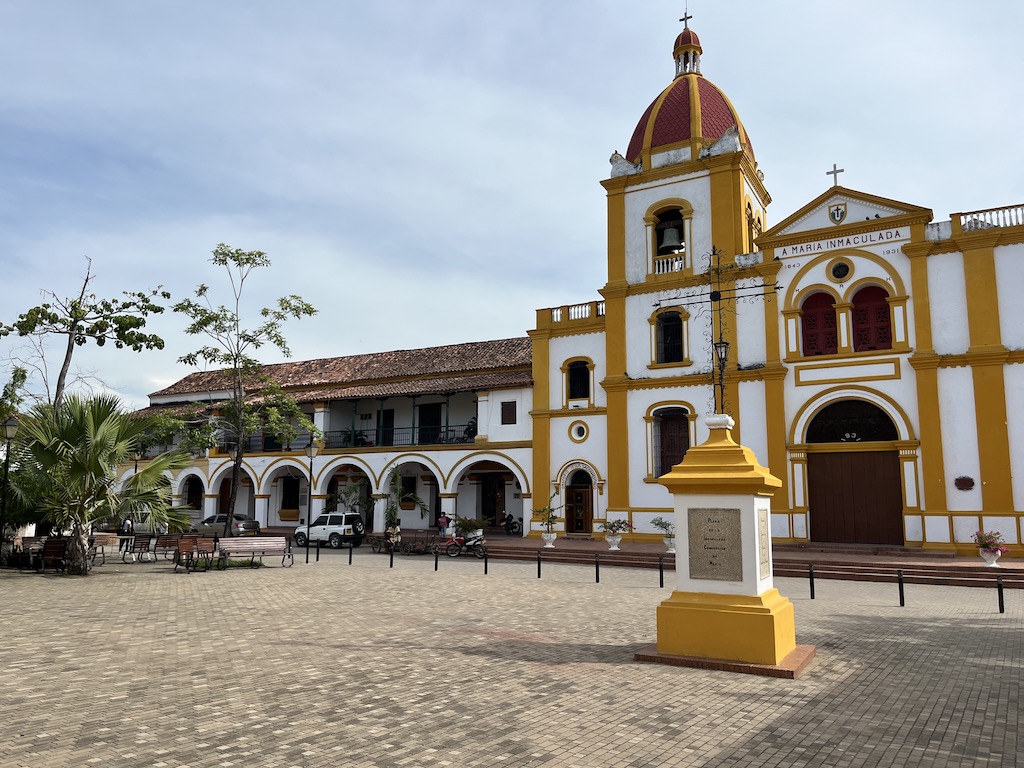
We arrived in Santa Cruz de Mompox, a town that instantly feels like stepping into a colonial postcard. The streets are narrow and quiet, lined with brightly painted houses and elegant balconies. The vibe is serene and slow, which was the perfect change of pace after days of driving and sightseeing.
Cultural highlights abound: Mompox is famous for its filigrana silver jewelry, a delicate and intricate art form passed down through generations. Wandering through the local workshops and markets, it’s impossible not to admire the craftsmanship.
The town is also historically significant—it was here that the first screams of independence rang out on August 6, 1810. You can feel the weight of history as you wander its plazas and quiet streets, yet it’s almost surreal that such resistance began in such a remote place. The town is sparsely populated today, so it’s easy to imagine what it must have been like over 200 years ago.
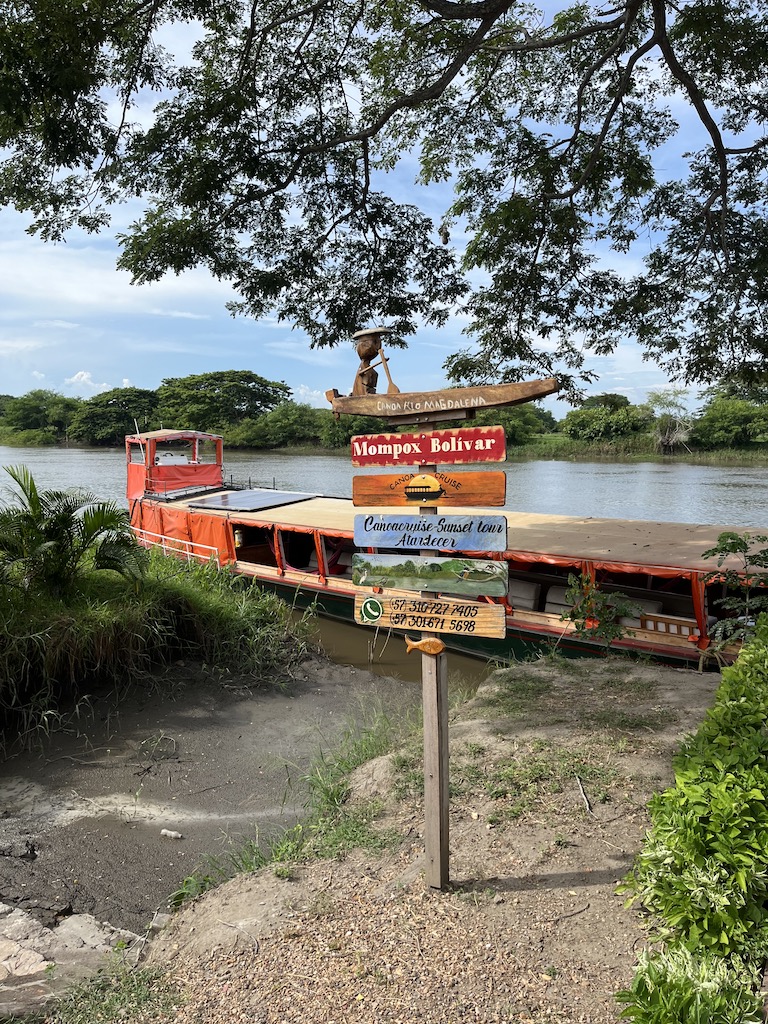
The Magdalena River is central to Mompox’s charm. We took a river cruise, marveling at the idea that steamers once traveled all the way from Barranquilla on the Atlantic coast to Honda, navigating these same waters centuries ago.
Be warned—Mompox is hot and humid, and the mosquitoes are relentless. But it’s part of the experience, and a good spray and hat go a long way.
We stayed at Hotel Casa Vania Mompox. It wasn’t anything flashy, but has parking and the cold A/C was a blessing after the heat and humidity of the day.
Through the River Estuaries to Coveñas
The next morning, we continued our journey through the river estuaries, passing Magangue, a bustling village on the edges of the Magdalena River, before hitting solid ground on the road to Sincelejo and Coveñas.
We only drove through these places, but had our only sketchy experience of the entire trip just outside Magangue. We were stopped at a “check-point” by a group of “police” officers asking for donations for injured officers—starting at 400,000 COP for a wheelchair and up. Pretty much a ripoff by Colombian standards. My wife got a bit nervous, understandably. When I explained we only had 50,000 COP because we needed to save cash for tolls, they even offered their Nequi accounts for transfers. In the end, they let us go with the 50,000 COP “donation.” If you haven’t lived in LATAM, Africa, or similar regions, these moments can feel intimidating—but I take it as part of the adventure. They weren’t targeting us specifically; it was every car passing by.
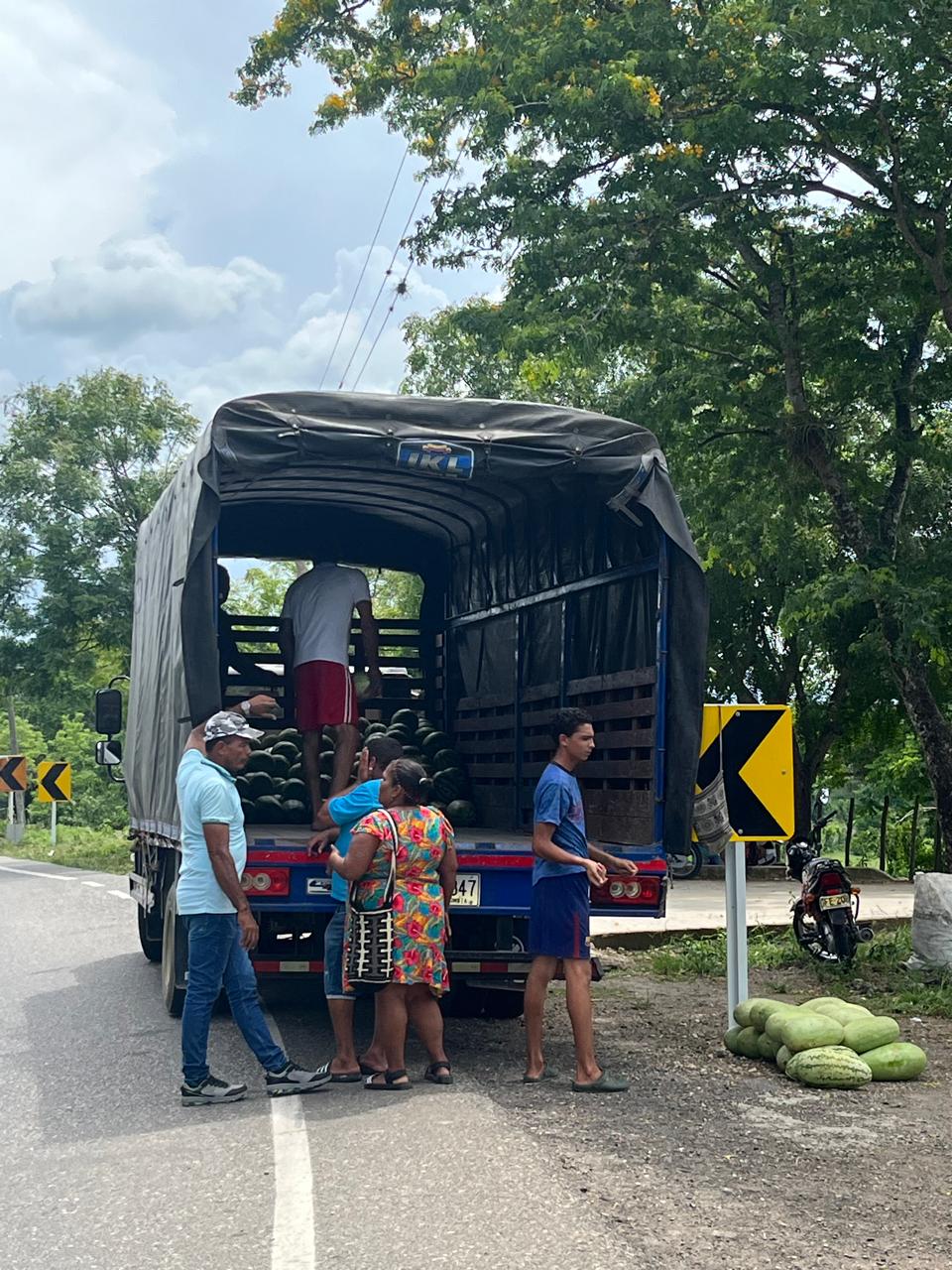
The land around Sincelejo and Montería is full of cattle but also incredibly fertile, and it’s a joy to observe the abundance while driving through. I vividly remember buying a 10-kg watermelon right from a farmer loading his truck—for 5,000 COP (just over a dollar). Incredibly tasty, and it lasted us for days.
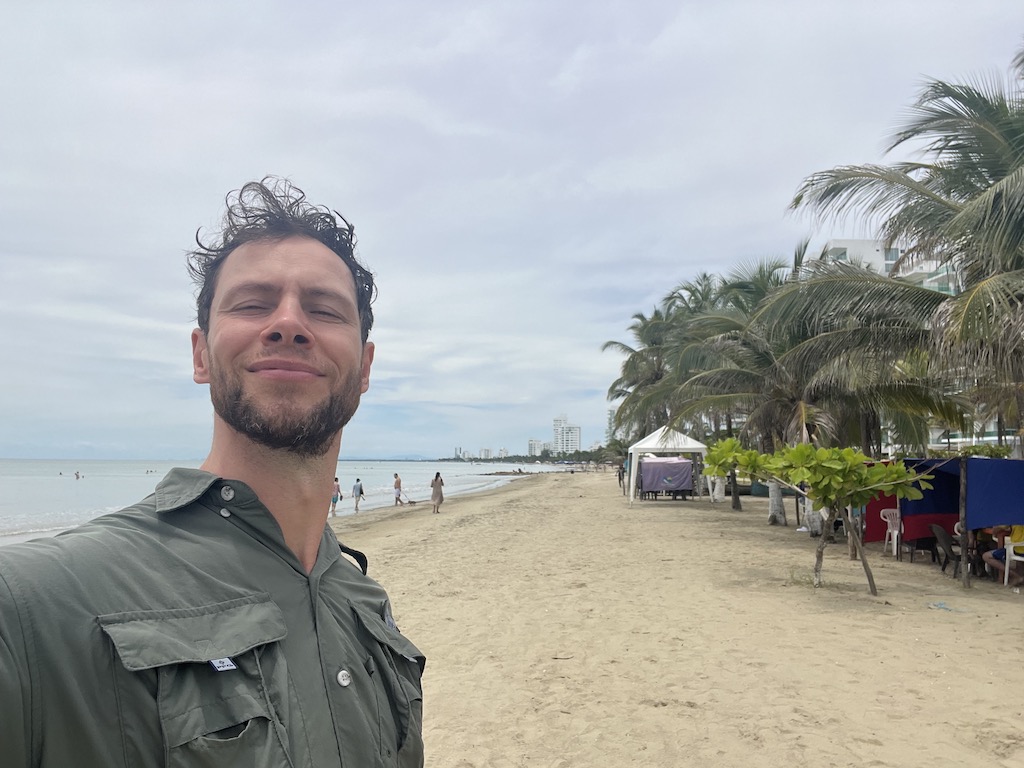
After about four hours of driving, we arrived in Coveñas late in the afternoon. I’d heard of the place from a paisa friend. It’s not well-known to international tourists, which was exactly why I wanted to go. Mostly, it’s a weekend and holiday destination for folks from Medellín, Montería, and Sincelejo.
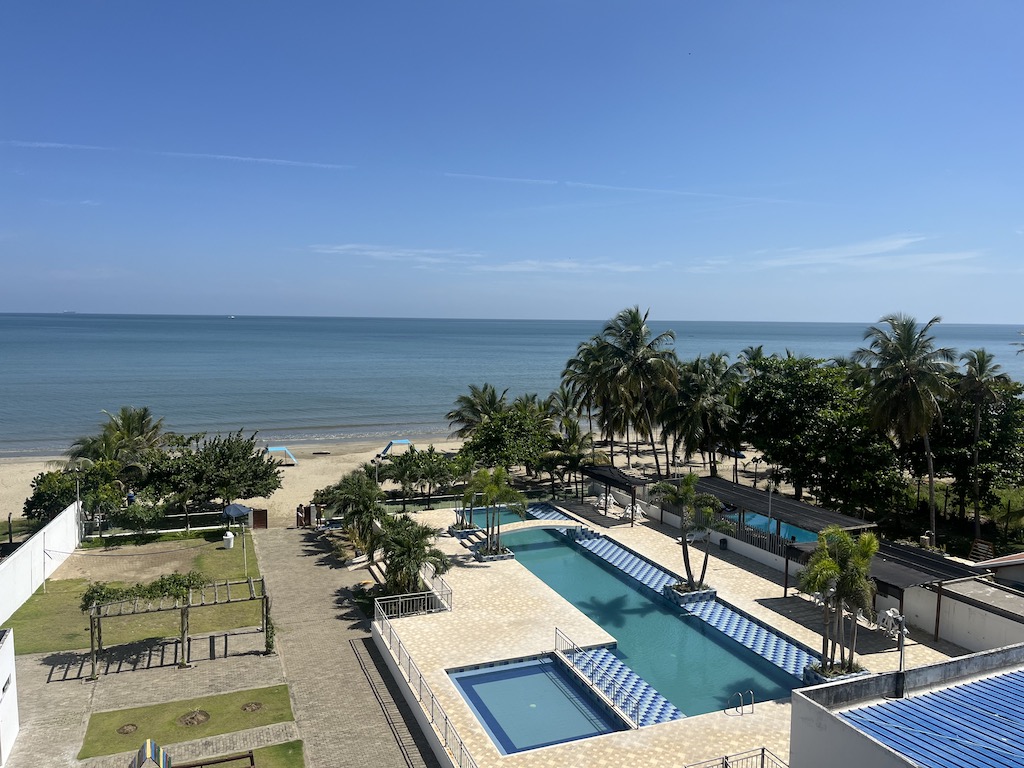
It’s such a cool and tranquil little spot. Arriving in late July, it was almost empty—most kids in this part of the country were already back in school. We splurged a bit on an oceanfront Airbnb in a nice building with lots of amenities. Out of 80 apartments, only 7 were occupied.
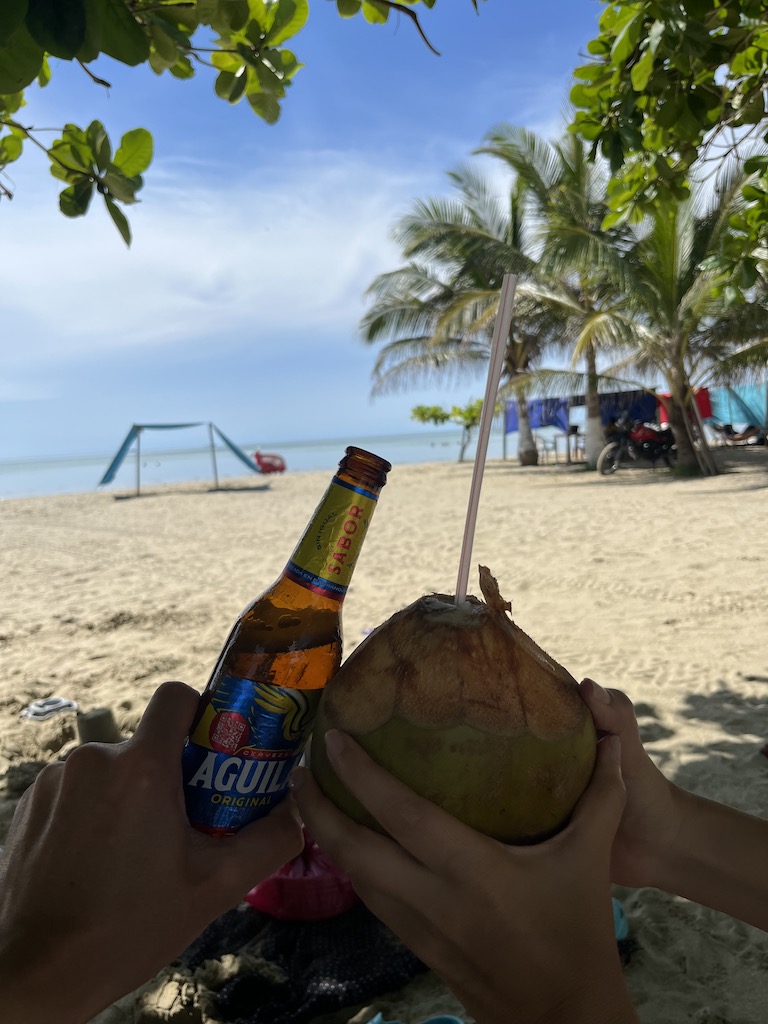
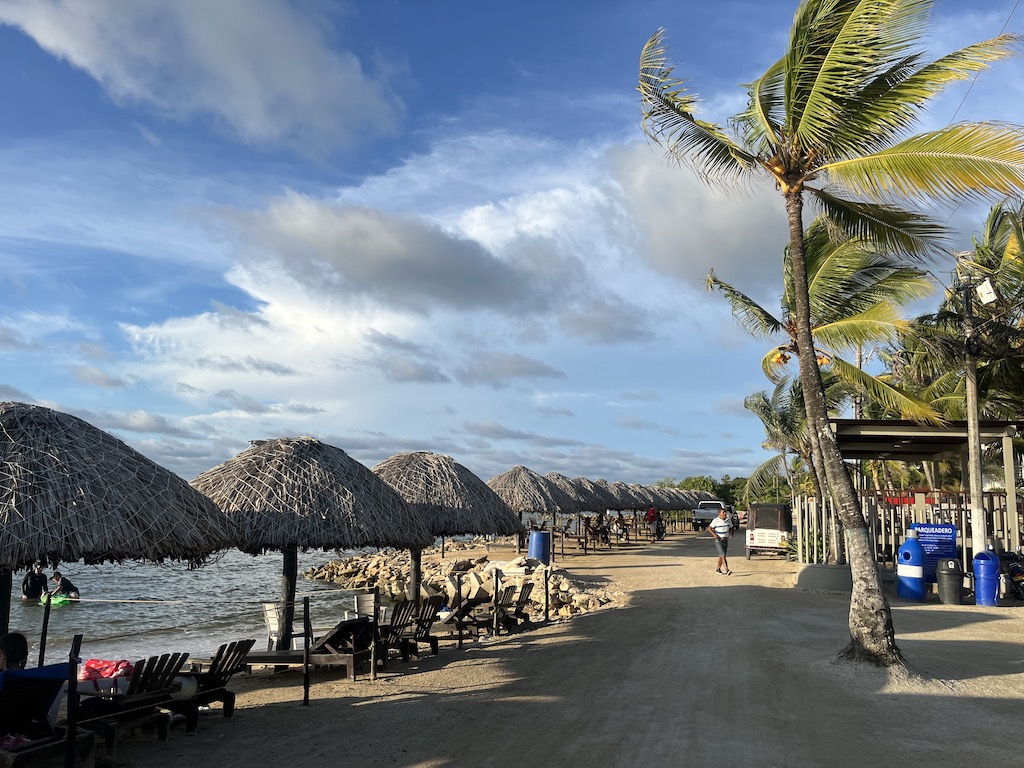
The beach itself is clean and super child-friendly. Calm waves, coco-locos, and within walking distance to the village center with all the restaurants.
Coveñas and surroundings: A Week of Sun, Sand, and Slow Days
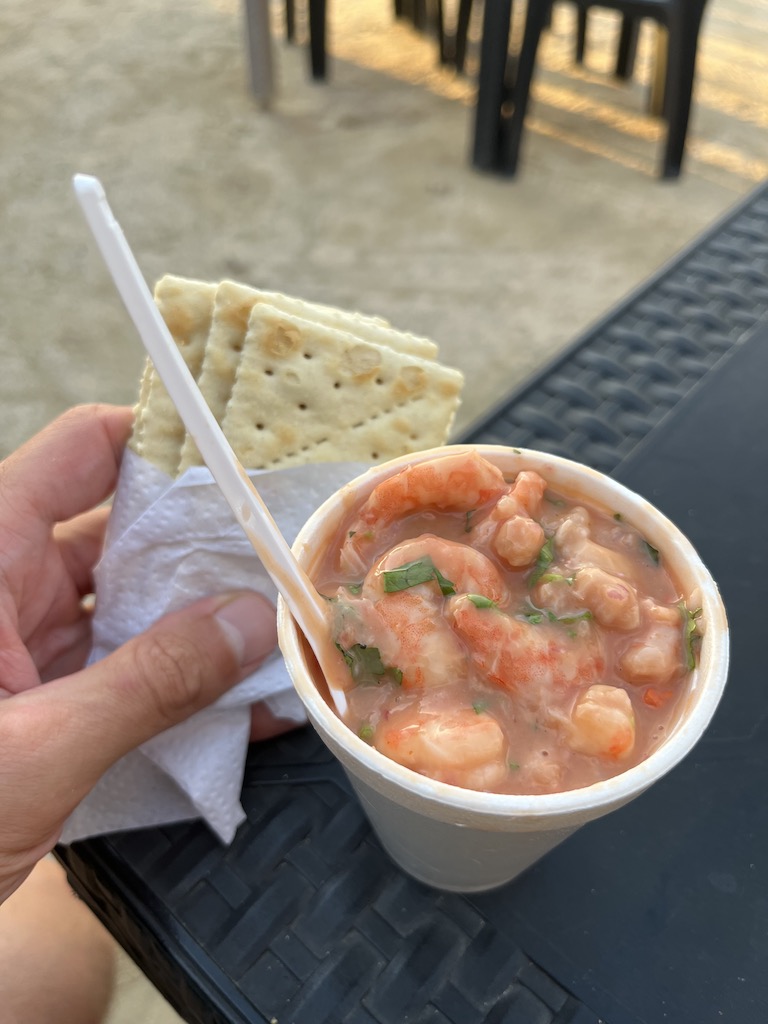
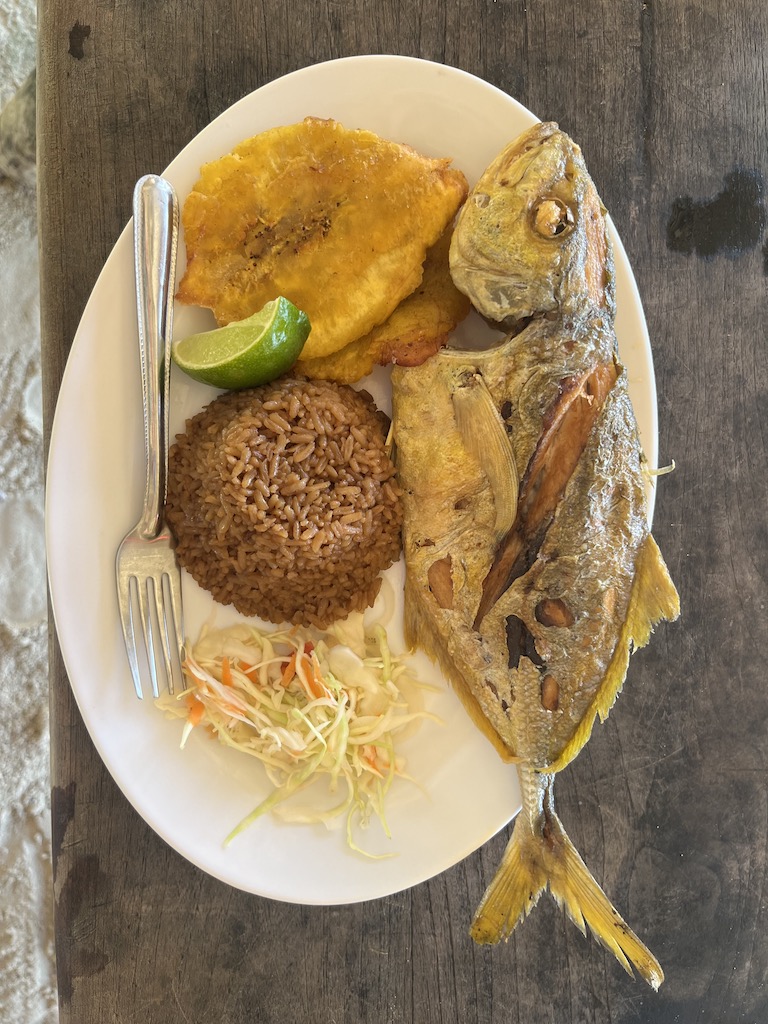
We spent a week in our apartment, taking things slow on the beach. Cooler stocked with cheap sparkling wine from D1 (we named it Dom D1), fresh seafood, shrimp arepas, and lots of beach games—playing ball, beach tennis, even tubing. Pure vacation bliss.
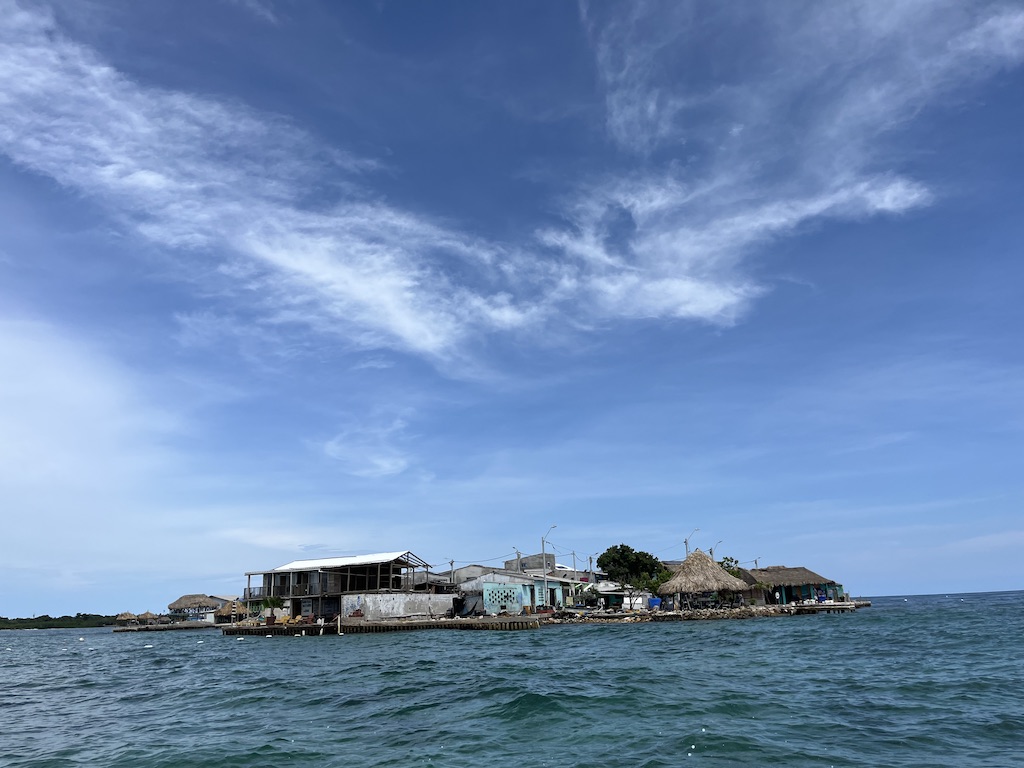
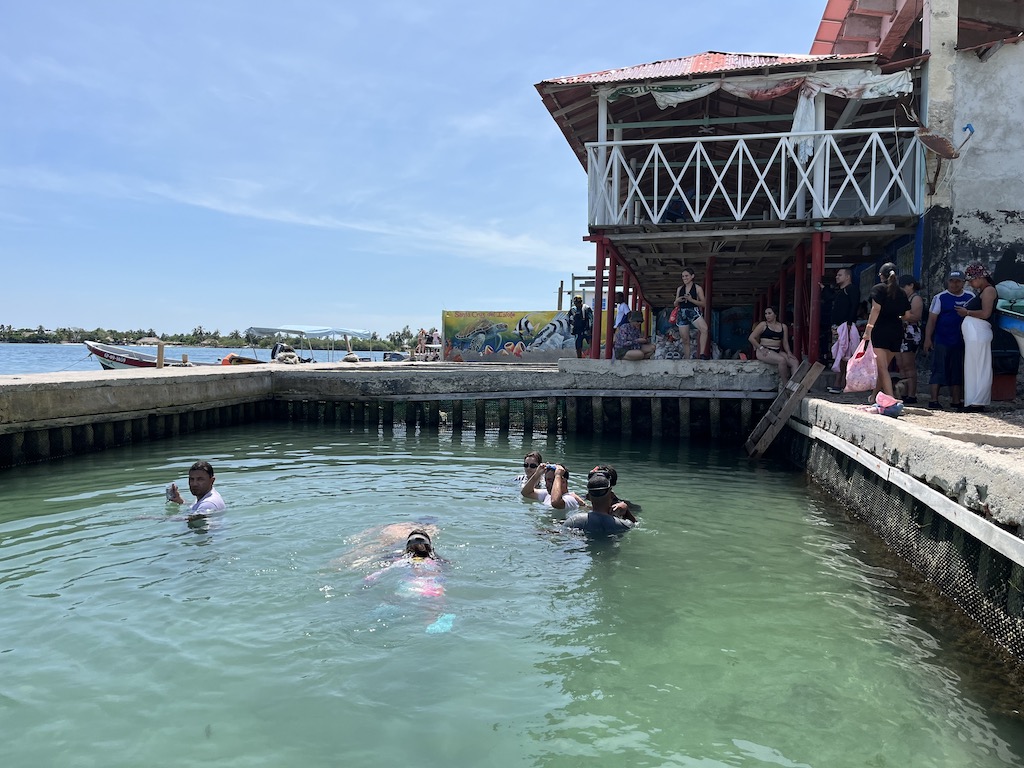
One day, we did a trip to the nearby islands: Isla Múcura, Tintipán, and the infamous Santa Cruz del Islote—supposedly the most crowded island in the world. Let’s just say the living conditions on Santa Cruz leave a lot to be desired, and their so-called aquarium looked more like animal abuse than a tourist attraction. Múcura, on the other hand, was a delight—perfect for snorkeling, exploring, and just hanging out on the beach for an afternoon.
We also made a day-trip to Santiago de Tolú (Tolú). It’s just a short 30 minute drive northeast of Coveñas. I’d heard good things, but I didn’t quite see the appeal—except for Playa El Francés, a charming little sandy stretch north of Tolú lined with beautiful villas, cabins, and boutique hotels. Tolú itself felt dusty, tired, and less friendly, with its beach nearly swallowed by the ocean. If I had to pick, I’d 100% choose Coveñas over Tolú.
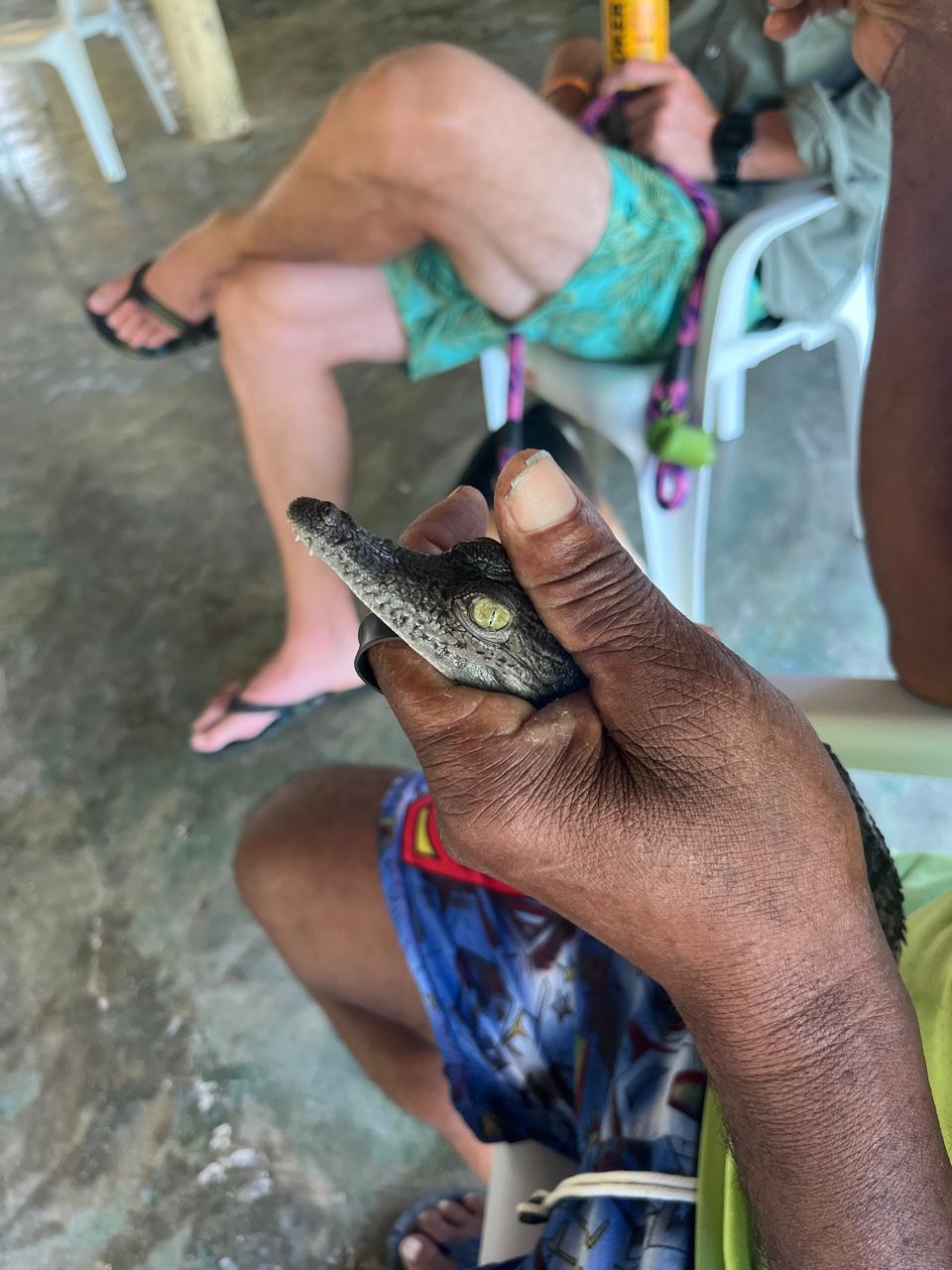
Other fun excursions in the area include the Marine Infantry Museum just outside Coveñas, and the turtle and alligator conservation center near San Antero and Playa Blanca.
But honestly, most of our time was spent just relaxing, reading, and playing with the kids in the sand right in front of our apartment. Fun in the sun—as clichéd as it sounds—was exactly what we needed, and a beach is honestly the one big thing I miss in Cali. It was the perfect place to recharge before diving back into the grind of work, school, and big-city life.
Coveñas doesn’t have the pushy vendors you find on other beaches (maybe because we were off-season), making it a way better destination for families than, say, Cartagena—if your goal is relaxation with a few optional excursions. But if you’re after nightlife, fancy gastronomy, architecture, fashionable crowds, or unique shopping, this isn’t your scene and you should probably look for the more famous destinations further to the northeast.
The Long Haul Back to Cali
The journey back to Cali was a long one—almost 1,000 km—so we broke it up into two days of mostly driving. After about one month on the road and 3,000 km exploring Colombia, it was time to start heading home.
We passed through Montería, which I had initially hoped to explore more, but the town itself didn’t capture us. That said, the land along the Sinú River is famous for its cattle, so we made sure to try some local specialties at La Bonga del Sinú. Bonus: they had a playground, which kept the kids happy before we hit the road again.
From there, we drove through beautiful rolling hills toward Tarazá, where our luck ran out—we ended up at a truly terrible truck stop hotel (surrounded by bars and village drunks) just for a quick overnight. The next morning we hauled south through Medellín and continued toward Cali, stopping for lunch at La Pintada, a cozy little holiday resort town that’s a favorite for Colombians on short breaks.
After two days of almost constant driving, we rolled back into our garage around midnight, tired but full of stories, memories, and a renewed appreciation for the incredible diversity of our country.
Reflections on Our Colombian Road Trip
Looking back, the highlights for me were all the historic villages, the stunning natural landscapes, and, of course, time on the beach with the family. From colonial towns like Villa de Leyva and Barichara to the natural pools of Las Gachas and the turquoise waters of Coveñas, every day offered something unique. Traveling with kids added its own magic—watching them discover, explore, and just enjoy the moment made the trip truly memorable.
Beyond the sights, this journey offered some personal lessons. One of the biggest was the importance of taking calculated risks. Many people warned us that a trip like this would be “extremely dangerous,” but in reality, we rarely encountered anything that felt unsafe. Too often, people repeat what they see on TV without firsthand experience. My takeaway: trust your gut, ask locals, and don’t let fear stop you from doing what you dream of. As Thoreau said, most people lead lives of quiet desperation—traveling reminded me to be a doer, not just a thinker.
Colombia is an incredible road trip destination, yet it feels like locals often forget just how much is in their own backyard. Whether due to fear or the scars of history, long-distance road trips are rare—and we met very few travelers attempting them.
Practical Tips for Fellow Travelers
Safety: Avoid driving at night whenever possible. The main risks are potholes, animals, pedestrians, poorly lit roads, and unclear signage. Stick to major routes and the popular attractions, and you’ll be fine.
Vehicle Choice: We did the trip in a Toyota Hilux, but the truth is any reliable car would have worked. Most roads were paved, and gasoline is widely available. We never needed a 4×4; only a few stretches—like around Playa El Frances and Villa de Leyva—were gravel.
Budget: On average, we spent around $500,000 COP per day on fuel, food, hotels, and tolls—about $15 million COP total for the month-long trip.
Family & Pets: Traveling with our dog was surprisingly easy; most places were pet-friendly. And while we share photos sparingly to protect our children’s privacy, experiencing these adventures firsthand is far more valuable than seeing them online.
Enriching the Experience: We used the drive time to listen to Diana Uribe’s historical podcasts (on Spotify), which helped educate our girls about Colombia’s history. Learning about each village and the stories behind them made the trip more engaging for everyone.
Ultimately, we hope this journey can inspire your next adventure. Colombia is a country full of history, nature, and hidden gems—if you plan carefully, take sensible precautions, and stay curious, the experiences waiting for you are unforgettable. What made it even more special was how friendly and helpful most of the locals are—they genuinely get excited when they hear about people enjoying their country and want visitors to have the absolute best experience.
If you have any questions about the route, tips, or places we visited, don’t hesitate to reach out through the contact section.